Today I had a great bike ride between showers. I felt really lucky when the sun broke through the clouds.

Today I had a great bike ride between showers. I felt really lucky when the sun broke through the clouds.

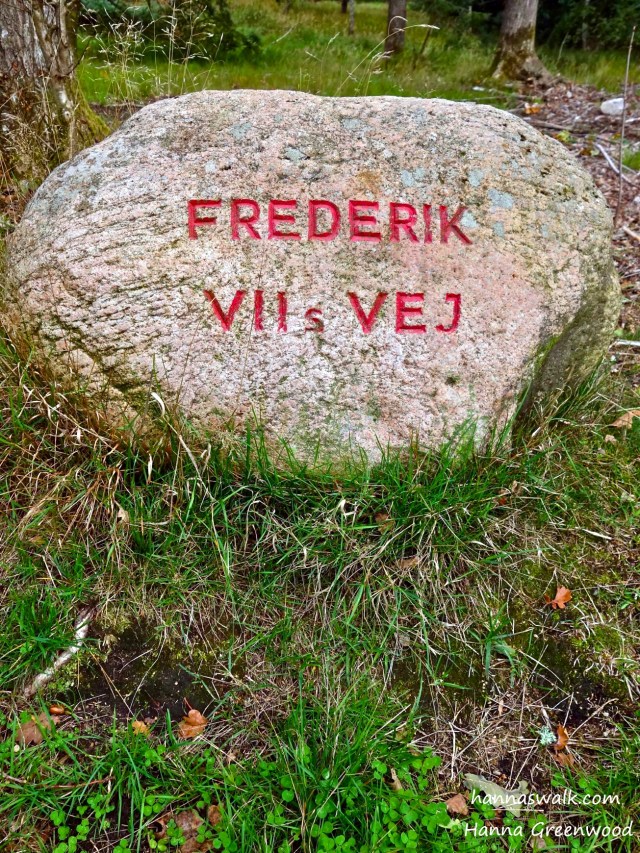
Several times I’ve seen King Frederik 7’s monogram on my walk in nature.
Or I stumble over stories that have emerged around his activities.
He was very fond of digging out burial mounds. Fortunately, he was assisted by very knowledgeable people so no harm was done.
None of which I’m aware of. But then I’m not an archaeologist either.
King Frederik the 7th of Denmark was a colourful personality.
His greatest interest was archaeology, representation and his third wife, ballerina Louise Rasmussen, Countess Danner.
Recently I visited Frederik 7′ cave in Skodsborg. It is well located overlooking the Sound and his Villa Rex.
He held gatherings in the cave and it is said that they were certainly not boring.
King Frederik 7. of Denmark (1848 – 1863)


I wrote these lines as a tribute to nature:
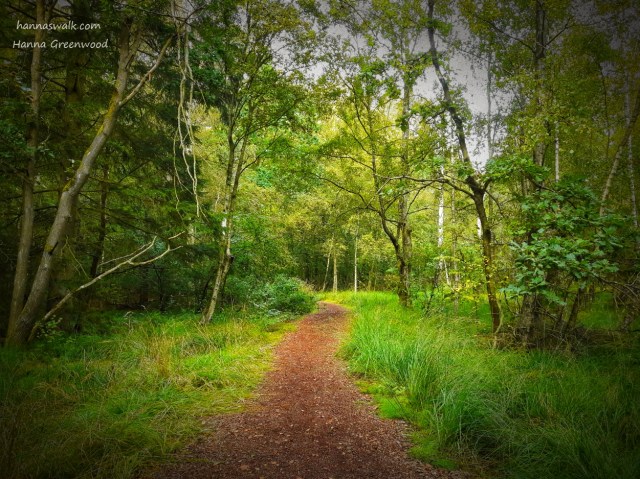
When you stumble, you will find their fruits,
you’ll play hide and seek under them,
and you’ll climb in them.
You’ll visit them with your first loved one,
and you will walk under them with your family.
They supply the animals with food.
They tell you all about the seasons.
They give you shelter on a rainy day,
and they protect you from the sun on a hot summer day.
They are trees!
They provide joy, happiness, warmth and food.
They still breathe for us –


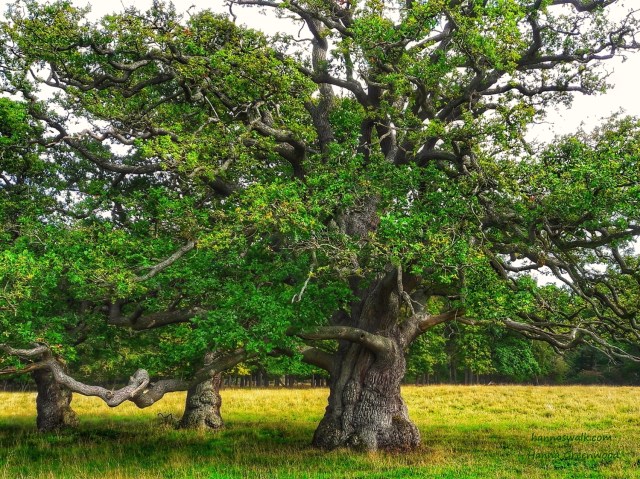
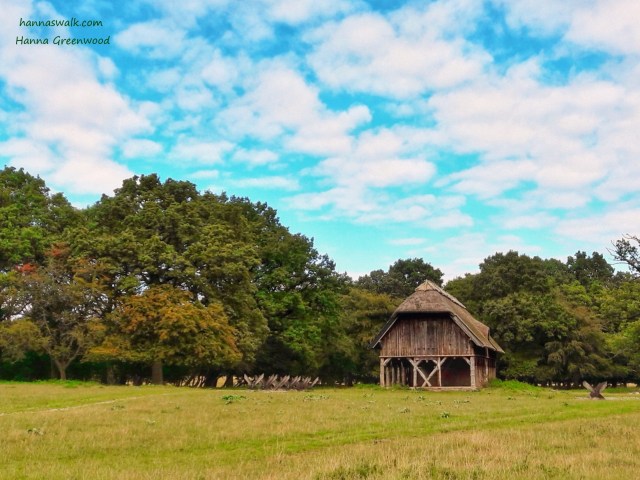

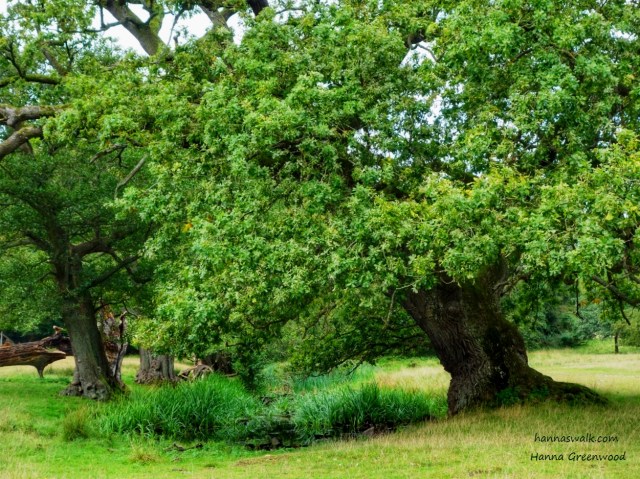
He who plants a tree, plants a hope. ~ Lucy Larcom
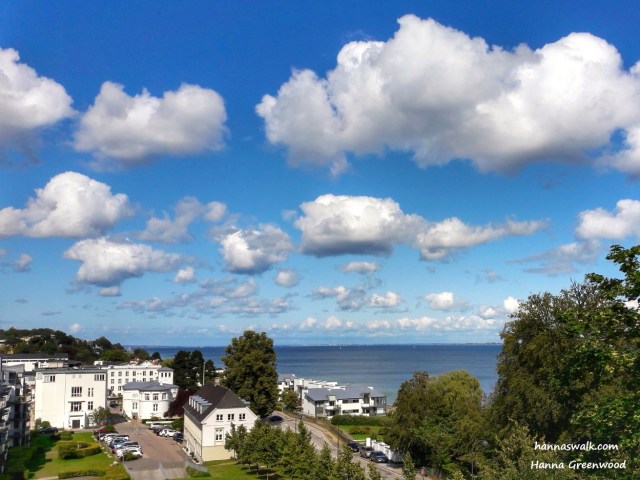
The last few days’ weather reminds me of Norway. Lots and lots of rain and suddenly a sparkling clear blue sky.
A fantastic weather if you’re dressed for it 😊
Here is a picture of an old Hawthorn against a blue sky.

Have you ever been exhausted after a walk in the mountains?
When dark grey clouds are low and hide the view.
When it’s cold and the rain makes the snow soft and you sink to your knees.
When you travel in unfamiliar terrain without the shadow of a human being and are elated by a day-old apple hull.
There have been people before you – recently!
Then it’s a relief when the mountain hut finally comes into view after hours and hours of challenges.
That’s how I felt when I spotted Pytbua in Tafjordfjella in Norway.
I had only walked in the mountains ONCE before, and along easy trails.
Now this walk was one that far exceeded my imagination.
I felt myself transformed back to Norway when I watched the British documentary about the great escape routes during World War II.
I’ll not draw any comparisons with the Pyrenees and Norway or the terrible conditions under which 33.000 people successfully escaped to Spain.
Among them were 782 people who walked over the high mountains of Ariege in the Pyrenees.
However, the great relief of former marine Monty Halls in the documentary is undeniably a bit like mine, when he spots a refuge after one of the toughest and most dangerous walks over the high-lying dramatic landscape of the Pyrenees.
When he points towards the refuge and asks: Is that where we are going? Please Say yes!!!

Har du nogensinde været tæt på udmattelse efter en vandring i bjergene?
Når mørkegrå skyer hænger lavt og skjuler udsigten.
Når det er koldt, regnen gør sneen blød, og du synker ì til knæene.
Når du rejser i ukendt terræn uden skyggen af et menneske og bliver opstemt af et daggammelt æbleskrog.
Der har været mennesker før dig – For nylig!
Så er det en lettelse, når bjerghytten endelig kommer til syne efter timer og timer med udfordringer.
Jeg havde kun gået i bjergene en gang før og langs lette stier.
Denne vandring var én, der overgik min vildeste fantasi.
Det blev som en rejse tilbage i tiden til Norge, da jeg så den britiske dokumentar om de store flugtveje under 2. verdenskrig.
Jeg vil ikke foretage nogen sammenligning mellem Pyrenæerne og Norge eller de forfærdelige forhold, under hvilke 33.000 mennesker med succes slap til Spanien.
Imidlertid er det den store lettelse fra tidligere marine Monty Halls i dokumentaren, der unægteligt er lidt som min, da han får øje på bjerghytten efter en af de hårdeste og farligste vandreture over Pyrenæernes højtliggende dramatiske landskab.
Da han peger ned mod hytten og spørger sin guide: Er det der, vi skal hen? Vil du ikke nok sige JA!!!

I don’t know about you but after a walk in the rain I found this great idea for a late summer walk in a glacial moraine landscape next to Arresø. We did the walk in the month of May, one of my favourite month.
Most of the surrounding land is made up of the last glacial moraine landscapes, but in addition there are widespread post-modern formations that are the result of land elevations, sea rises, water and wind erosion as well as sea and fresh water deposits, etc.
The central and southern part of the peninsula consists of a high-altitude, steadily hilly terrain with the highest point Maglehøj, 70 m above sea level, while the northern part consists of a low-lying, hilly terrain with the highest point of Little Maglehøj, 27 m above sea level : Naturstyrelsen


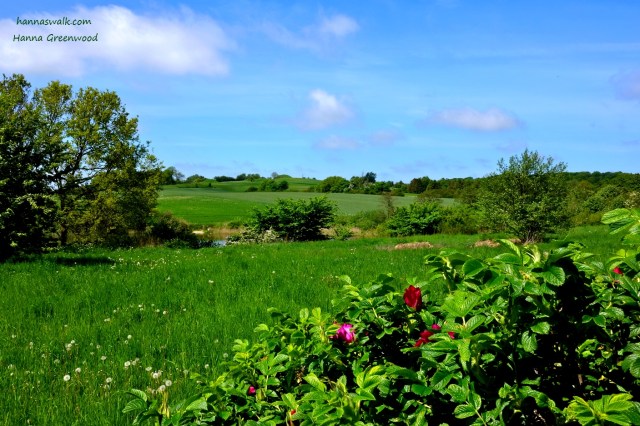
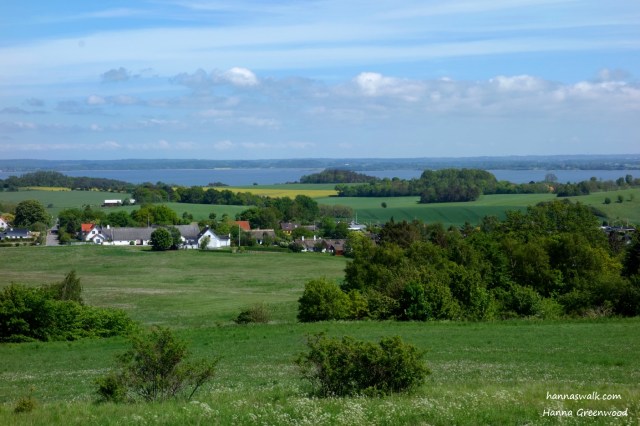


I came across wonderful poetry by Daniel March written in 1869 and found it to be a religious text. That is not my reason for quoting the poetry, but because the description reminds me of the overwhelming joy it is, to walk in nature. When the clouds cast their shadows over hills and rivers, mountains and lakes in an ever-changing game.
The poetry of nature.

Clouds are among the most striking appearances in the natural world. Whether heralding the dawn with beacons of flame and banners of gold, or escorting the sun’s descending car with armies of light and sapphire thrones; whether clothing the mountains with garments of beauty, or enriching the landscape with flying shadows; whether shading the weary from the noonday heat, refreshing the field and the garden with gentle showers, or shaking the earth with mighty thunders; whether moving in silent and solitary grandeur along the blue deep of the sky, or covering the whole heavens with black and jagged masses, torn by the tempest and hurled onward like charging hosts in the shock of battle,—glorious in the morning, grateful at noonday, prophetic of the dawn at evening, clouds lend a charm to every landscape, a diversity to every season and a lesson to every thoughtful mind. No earthly scene could attract us long if deprived of light and shade from the changing clouds, and with our present feelings we should find it hard to be satisfied with heaven itself if it be one unvaried, cloudless noon. ~Daniel March, “The Balancings of the Clouds,” Our Father’s House, or the Unwritten Word, 1869
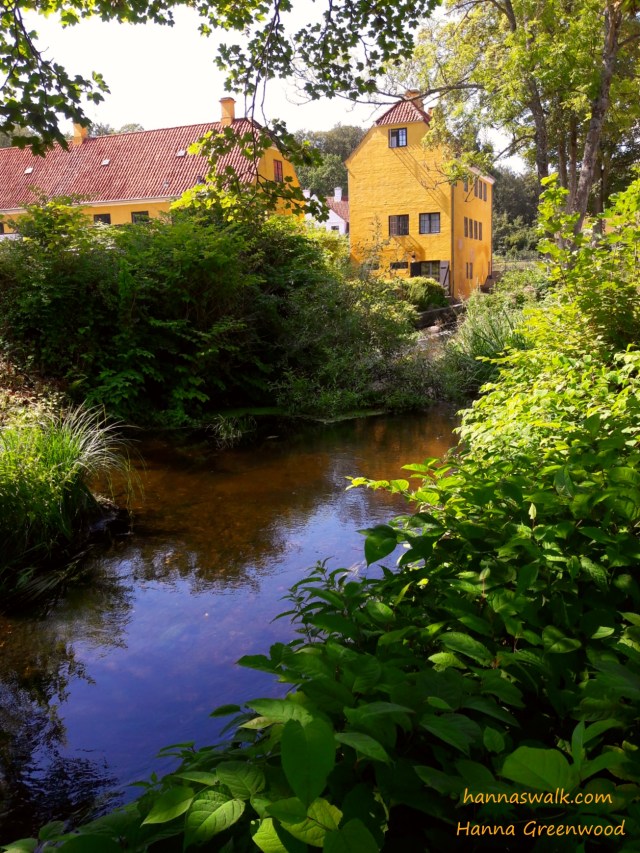
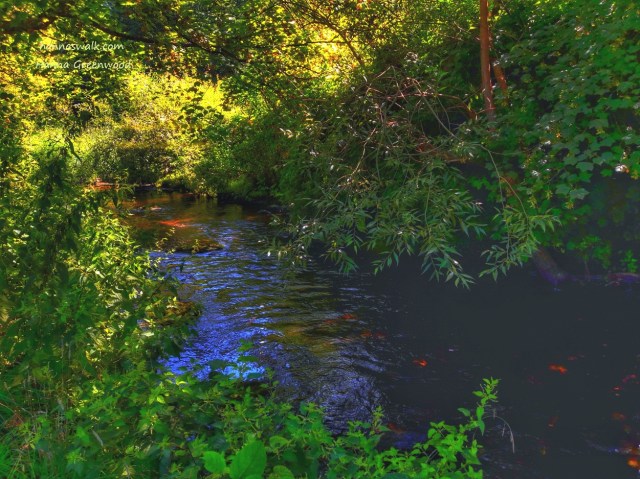
On my way home from the grocery store, I was a swing down by the river. It’s very important to check the water level after the last rainfall 😊
“Life is not lost by dying; life is lost minute by minute,
day by dragging day, in all the thousand small uncaring ways.”
~ Stephen Vincent Benet
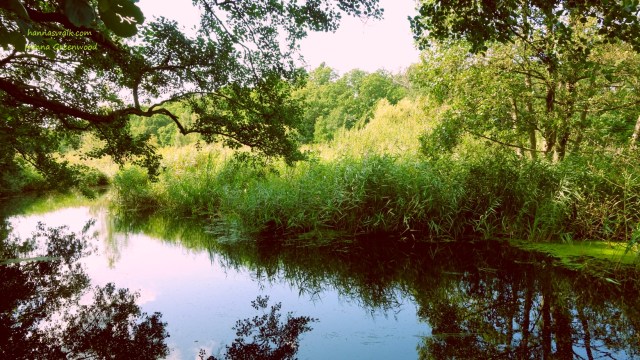
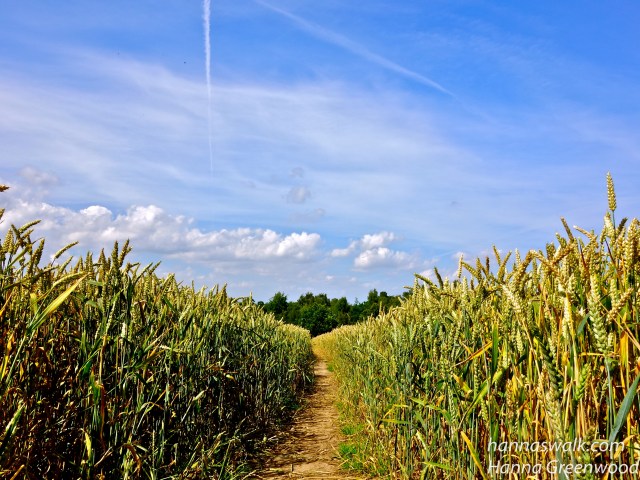
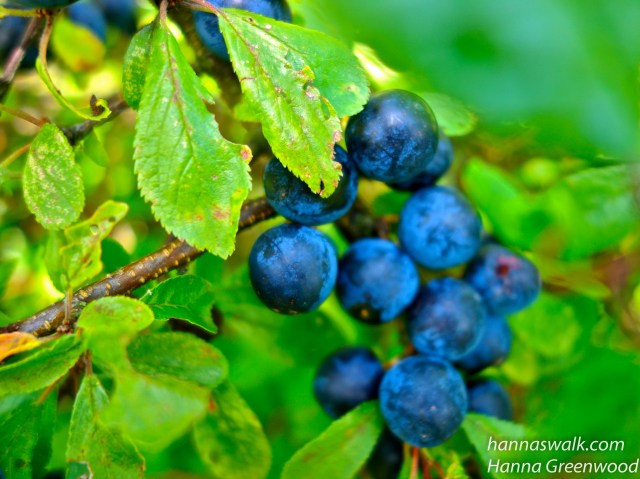
This morning the air is fresh and sweet. Fruits and berries are maturing and a soft breeze carries a wonderful scent and the promise of a favourable harvest. Time is now approaching for happy walks.
None of your knowledge, your reading, your connections will be of any use here: two legs suffice, and big eyes to see with. Walk alone, across mountains or through forests. You are nobody to the hills or the thick boughs heavy with greenery. You are no longer a role, or a status, not even an individual, but a body, a body that feels sharp stones on the paths, the caress of long grass and the freshness of the wind. When you walk, the world has neither present nor future: nothing but the cycle of mornings and evenings. Always the same thing to do all day: walk. But the walker who marvels while walking (the blue of the rocks in a July evening light, the silvery green of olive leaves at noon, the violet morning hills) has no past, no plans, no experience. He has within him the eternal child. While walking I am but a simple gaze.
Frédéric Gros, A philosophy of walking


 HANNA'S WALK
You must be logged in to post a comment.