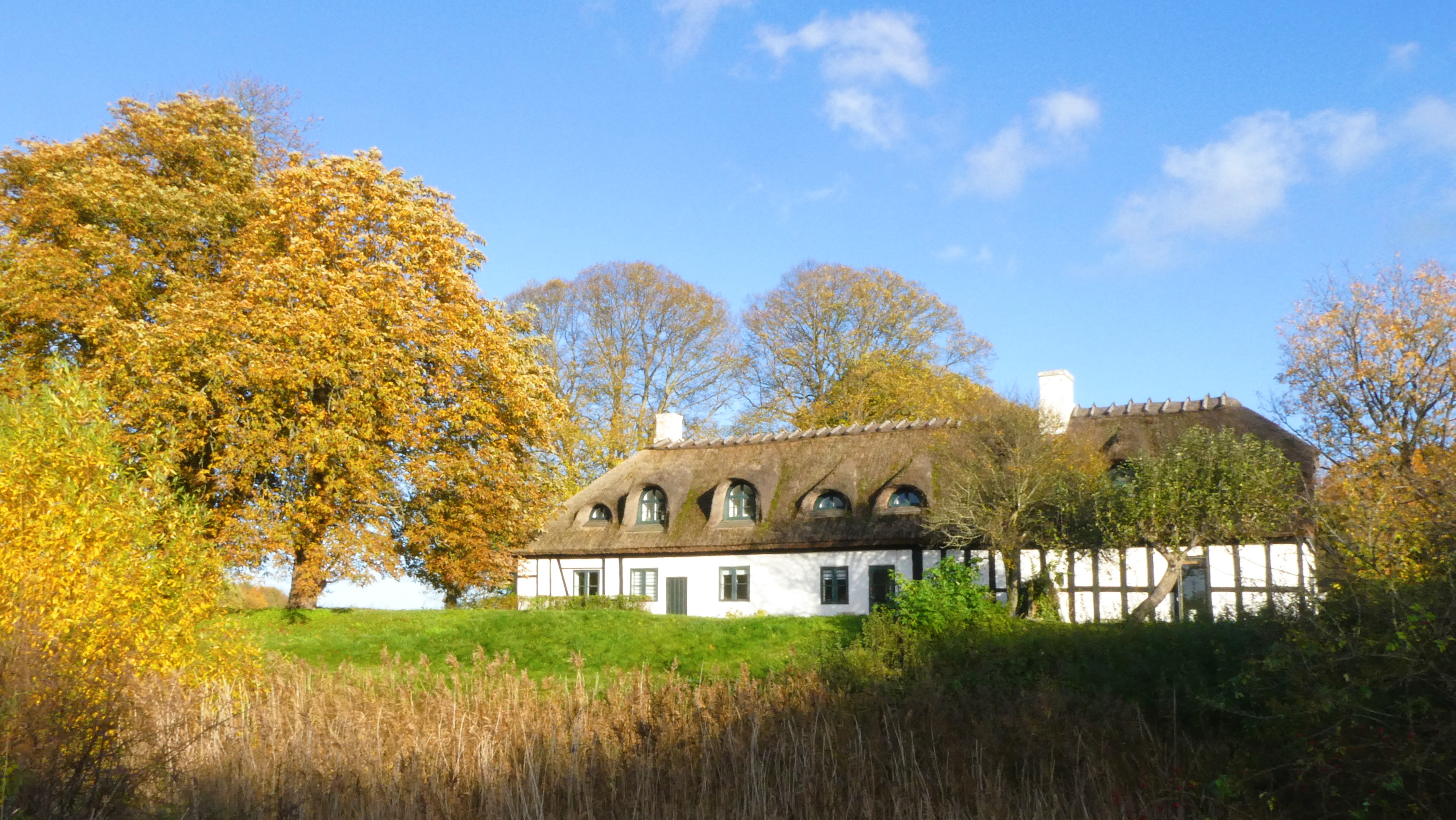
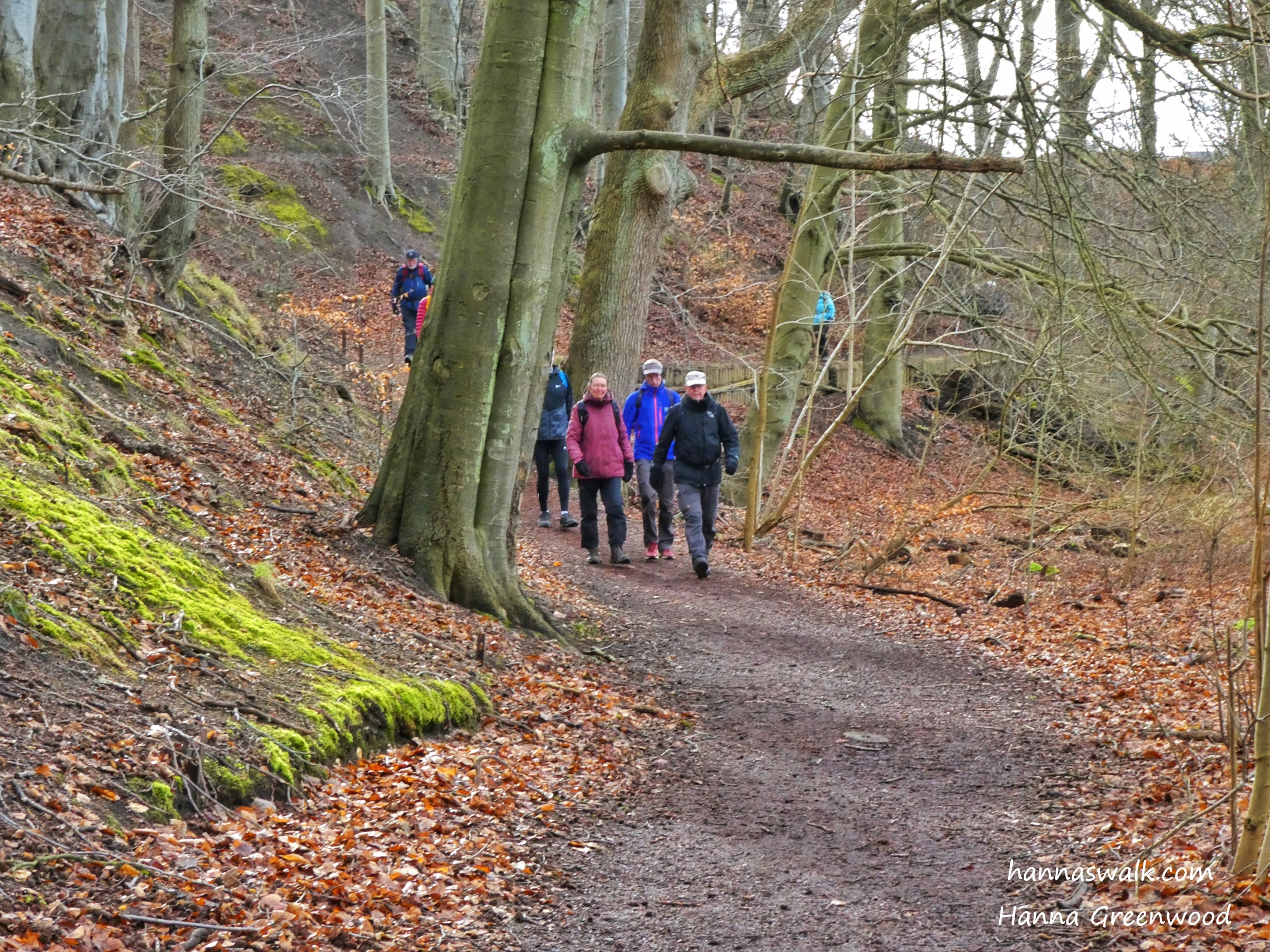
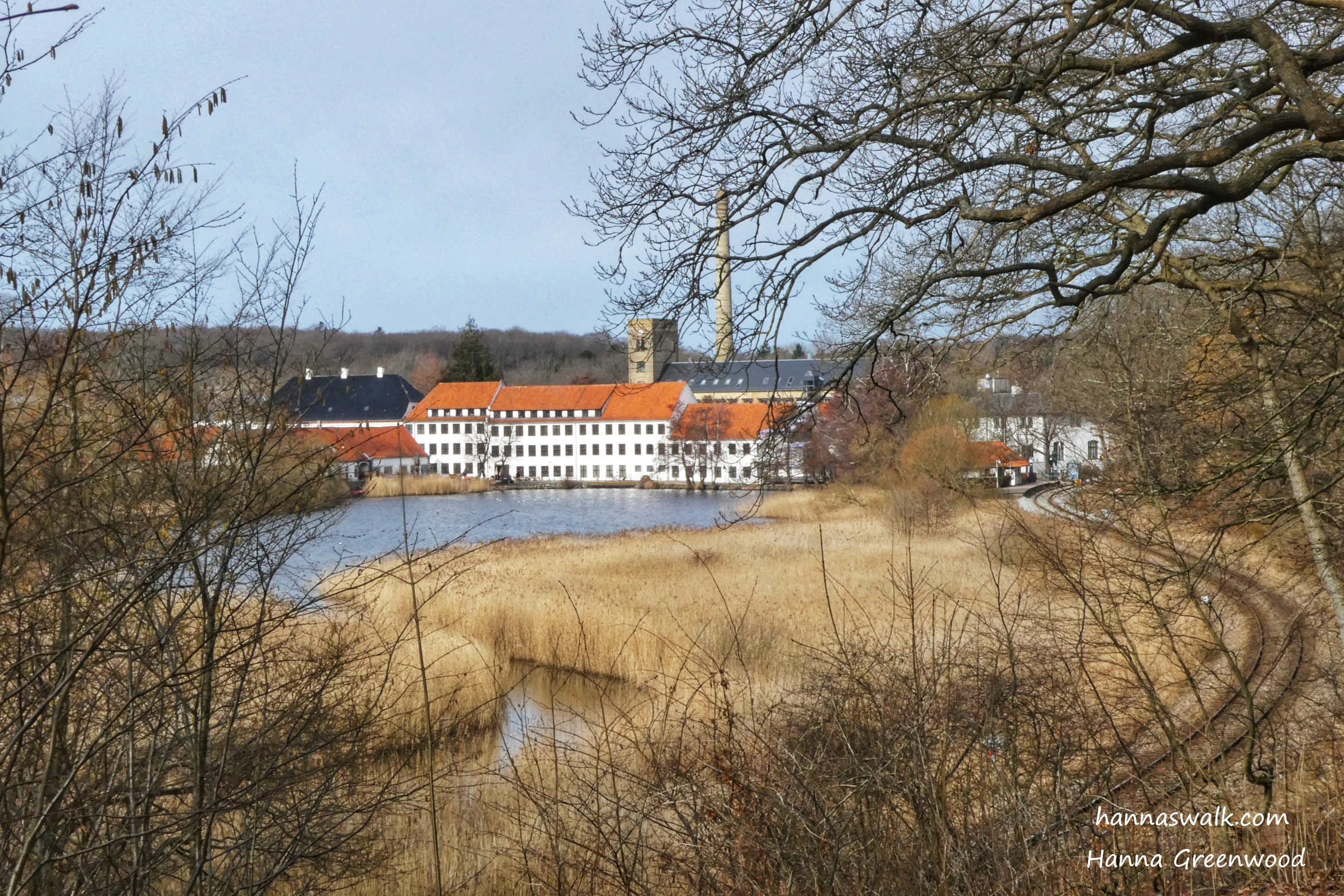
We are looking forward to this walk. Søllerød Naturpark always offers beautiful views. The walk passes the beautiful thatched farm: Rygård. To my surprise, I find that Olga, the last Grand Duchess of Russia, lived at Rygård after fleeing the Russian Revolution in 1917. There is always a story hidden somewhere. The exciting thing is finding it 😊😎
She moved to Rygård north of Copenhagen in 1930 with her husband and sons, after living in a small apartment in the Copenhagen. She enjoyed the peaceful and rural surroundings of Rygård, where she could paint and tend to her garden. She also befriended the local people and helped them with various tasks. She stayed at Rygård until 1948, when she left for Canada. Rygård is now part of the Søllerød Naturpark, a protected area of natural and cultural heritage.
Olga Alexandrovna was the youngest daughter of Emperor Alexander III of Russia and the sister of Nicholas II, the last tsar of Russia. She grew up in a tense political atmosphere, marked by several assassination attempts on her father and brother. She married Duke Peter of Oldenburg, in a loveless and unconsummated marriage. She later divorced him and married her true love, Colonel Nikolai Kulikovsky, with whom she had two sons. During the First World War, she served as a nurse and was awarded a medal for bravery. She witnessed the downfall of the Romanov dynasty in the Russian Revolution of 1917 and escaped with her family to Crimea, where they lived under constant threat of execution. Her brother and his family were brutally murdered by the Bolsheviks. She managed to flee Russia with her husband and sons in 1920 and joined her mother, the Dowager Empress, in Denmark. She moved to Canada in 1948, fearing Stalin’s regime, and died there in 1960. She was the last surviving member of the Romanov family.
A thorough search of the weather radar didn’t remove the “shower symbols.” Nevertheless, I could discern a window in the rain with a fair amount of optimism. After all, who wouldn’t want to deceive themselves to get a breath of fresh air? 😄
We passed the wreck on our holiday last week. The sight of it in the setting sun piqued my curiosity. How did the cement ship go down?. And what happened to the people aboard.
Our lovely hosts sent us a link about the history of the area including the story about the wreck . It was an interesting read. I have chosen to focus the story on the shipwreck itself. The narrative is sober, and that only seems to heighten the drama.
But I am warning you. This is what is called a longread:
On December 29th, 1947, the tugboat S/S Castor left Hundested Harbor with the barge ‘Brøns Odde’ of Copenhagen towards Randers. The barge was unusual while it was built of reinforced concrete in 1944 and not as usual of steel and iron or wood. It was therefore heavy and difficult to handle. The barge was ballasted according to the regulations for towing over open sea for such a vessel. S/S Castor had a crew of 4 and on the barge ‘Brøns Odde’ there were 2 men for maneuvering and handling the tow rope.
The weather was nice and the sea was calm. When they were clear of Hesselø, the weather changed very quickly. It blew up into a northerly blizzard and visibility dropped to zero. It was precisely in this difficult situation that the tow line snapped. The barge ‘Brøns Odde’ went into operation, and disappeared in the thickening snow.
As the S/S Castor had no radar and no radio, all communication between the two vessels was lost. There was a temporary clearing in the weather, and from S/S Castor they were lucky enough to spot ‘Brøns Odde’, and ascertain that it had dropped its anchor.
S/S Castor therefore sailed as close to the barge as they dared, and remained there while they waited for an improvement in the weather and, in particular, for the high and violent waves to subside. Instead of settling down, the storm increased in strength and ‘Brøns Odde’s’ anchor could not hold it in position. The barge drifted off in a south-westerly direction with its anchor dragging across the seabed. Due to the depth conditions and the strong current and sea, S/S Castor did not dare to follow. The barge therefore disappeared in the darkness and new snow.
When it dawned the next day, the S/S Castor immediately began searching for her missing tow, and it didn’t take long to find it. The barge was stranded at Yderby Lyng on the east side of Sjællands Odde, a peninsula on the northwest coast of Zealand. S/S Castor approached cautiously ‘Brøns Odde’, but getting all the way in was not possible.
When the Master of S/S Castor had formed an overview of the situation, he sailed Castor to Odden Havn, where a solid dinghy was hired, and informed the shipping company and authorities about what had happened. The S/S Castor then sailed with the hired dinghy in tow to the beaching site where the tug anchored and then established a connection with ‘Brøns Odde’ via the dinghy as soon as the weather permitted. There was no risk for the two crew members on the barge.
In the following days the lake was still strong and caused swells around ‘Brøns Odde’ as when the wind and current changed direction and began to work on the land, causing the barge to leak. Sea and current also prevented S/S Castor from trying to pull ‘Brøns Odde’ off the ground. Moreover, local fishermen and skippers estimated that the S/S Castor was too weak to carry out the towing work, and in that the locals were right.
The shipowners, the crew of both S/S Castor and ‘Brøns Odde’ and some men the shipowners had brought from Copenhagen, worked eagerly, partly to seal ‘Brøns Odde’, partly to pump it bilge. Here again, it proved very difficult to seal a leak in a vessel that was built of reinforced concrete. On 6 January 1948 the S/S Castor was moored for the night and with a lighthouse along the side of ‘Brøns Odde’, as it had been shown by soldering that the S/S Castor could well float to the outside, but with only 1 meter of water under the keel, a situation that was to become the indirect cause of S/S Castor’s sinking. A storm now arose from the west which stirred the sea, and great waves came against the two vessels. The driver of S/S Castor had been immediately reprimanded by the watchman and realized the acute danger the tow steamer was in.
The crew of S/S Castor quickly got the steam up and cast off from ‘Brøns Odde’ and steered out towards the open sea, to get clear of the now dangerous coast. At first it seemed that the S/S Castor would succeed in reaching deep water and riding out the storm from there. BUT?
Now the consequences of the fact that the S/S Castor had ventured into too shallow water became apparent. A few strong shocks from below up through the steamer told the crew with all desirable clarity that S/S Castor’s bottom had hit one or more large rocks. But still the steamer stood outwards with all the power that the machine could produce.
S/S Castor had received her fatal wound, although there were no more collisions with large rocks on the seabed, the ship had sprung a leak and the water rose rapidly in the engine room. S/S Castor’s Master let two men pump continuously, but the water ingress continued with ever-increasing force.
The engineer had to leave the combined engine and boiler room at the same time as the water reached the fire under the boiler and extinguished it. When the escaping engineer came on deck and reported to the Master, it was clear to him that the S/S Castor was going to sink, no matter what was done to prevent it. It was therefore about utilizing the steam that was left on the boiler, because the Machinist had not stopped the machine when he rescued himself from the engine room.
Resolutely, S/S Castor’s Master turned his ship towards land again, to try to sail it as far ashore, and as close to the shore as he could with the remaining steam in the boiler. But the S/S Castor did not make it far. When the Engineer had to leave his engine room, S/S Castor had arrived approx. 900 meters from the coast, and here the ship then turned around, but only reached a distance of approx. 55o meters from the shore when the machine stalled for lack of steam and the S/S Castor sank deeper and deeper into the water playing at deck level.
At the same time, the storm had dropped to a stiff gale, and turned to the north-east, which certainly did not benefit the landing attempt. It was at the last minute that the crew of the S/S Castor pulled the hired dinghy into the side of the tug and stepped into the dinghy and cut the tow rope to the S/S Castor. A few minutes later, the S/S Castor went to the bottom in approx. 8 meter depth. The crew managed to sail the dinghy into Brøns Odde and got aboard it with difficulty, thus saving their lives.
There was a terrible surf on the coast, which of course would be dangerous to pass in the dinghy, as the shipwrecked quickly got proof of, as the dinghy broke free from its mooring at Brøns Odde and drifted into the surf, where it was immediately transformed into stick fires . The shipwrecked were forced to stay on board the barge and wait for help from shore when tomorrow dawned.
The authorities ashore were well aware that something could have happened out at the stranded ‘Brøns Odde’ during the night of the storm. They did not fear the heavy cement laths, they believed that it would take more than a storm to destroy Brøns Odde’s solid cement construction, and to this day, it can be ascertained to be absolutely correct. Because Brøns Odde still lies where it laid to rest on the 30th. December 1947.
On the other hand, the S/S Castor and its crew were feared to the highest degree, because in contrast to the heavy cement lath, the S/S Castor was to a large extent comparable to a shuttlecock with which anything could very easily happen when it dared to go all the way into shallow water in such an unstable area in terms of weather and sea as was the case at Gnibenkrogen, where no one with local knowledge of the waters could dream of dropping anchor.
As soon as it was daylight again on the morning of January 6, 1948, many eyes and binoculars were directed towards the stranding site where ‘Brøns Odde’ lay just as it had the day before, but S/S Castor was gone and the sea empty. What had become of the S/S Castor, one asked themselves on land?
They did not remain in uncertainty for long, because help was signaled from ‘Brøns Odde’. The lifeboat from Yderby then went out to the wrecked barge, and took all five men on board and sailed them into Odden Havn to safety.
Years back I had the privilege to get a mail from Norwegian Silje, who was looking for attractive nature walks close to Copenhagen
Silje’s mail goes like this:
“I’ve just moved to Copenhagen from Norway and now I need a bit of nature 😊
Can you advise me on a hiking trip, a route of two day trips with an overnight stay in a cabin?
I live in Copenhagen and I’m thinking of taking the train out somewhere, a good long day trip, sleeping over in a cabin, then a good long trip the next day and then taking the train home to Copenhagen.
Possibly if you can advise on a website with tips for routes, ala the tourist association in Norway.”
My answer to Silje and everyone else who wants inspiration for hiking: We have wonderful nature in close proximity to Copenhagen with many marked routes. We lack DNT’s cabin system, but there are hostels, B&Bs, shelters and tent pitches established in collaboration with the Danish Nature Agency At the bottom of my post I will mention long-distance hiking trails, but for a start and in future posts, I will recommend the trips you can do in one day and still get home and get some sleep the same day.
And to you Silje, a place where you can go in a hurry when the longing for Norway’s mountains is pressing in. I recommend that you get to know the forest, Gribskov. It gives you an unimaginable possibilities for a cracking walk.
There are 4 hiking leaflets about the forest. There are marked yellow routes. You are probably used to the use of maps and compasses, and it will not be difficult for you to find your way around the forest.
The advantage of living in Copenhagen is the close public transport network. This means that you can take the train from Copenhagen Central Station, and 57 minutes later you are in the middle of Gribskov, Denmark’s 4th largest forest.
Here I would recommend that you acquire, Rejsekort. You travel reasonably cheap that way, but you must remember to check in and out.
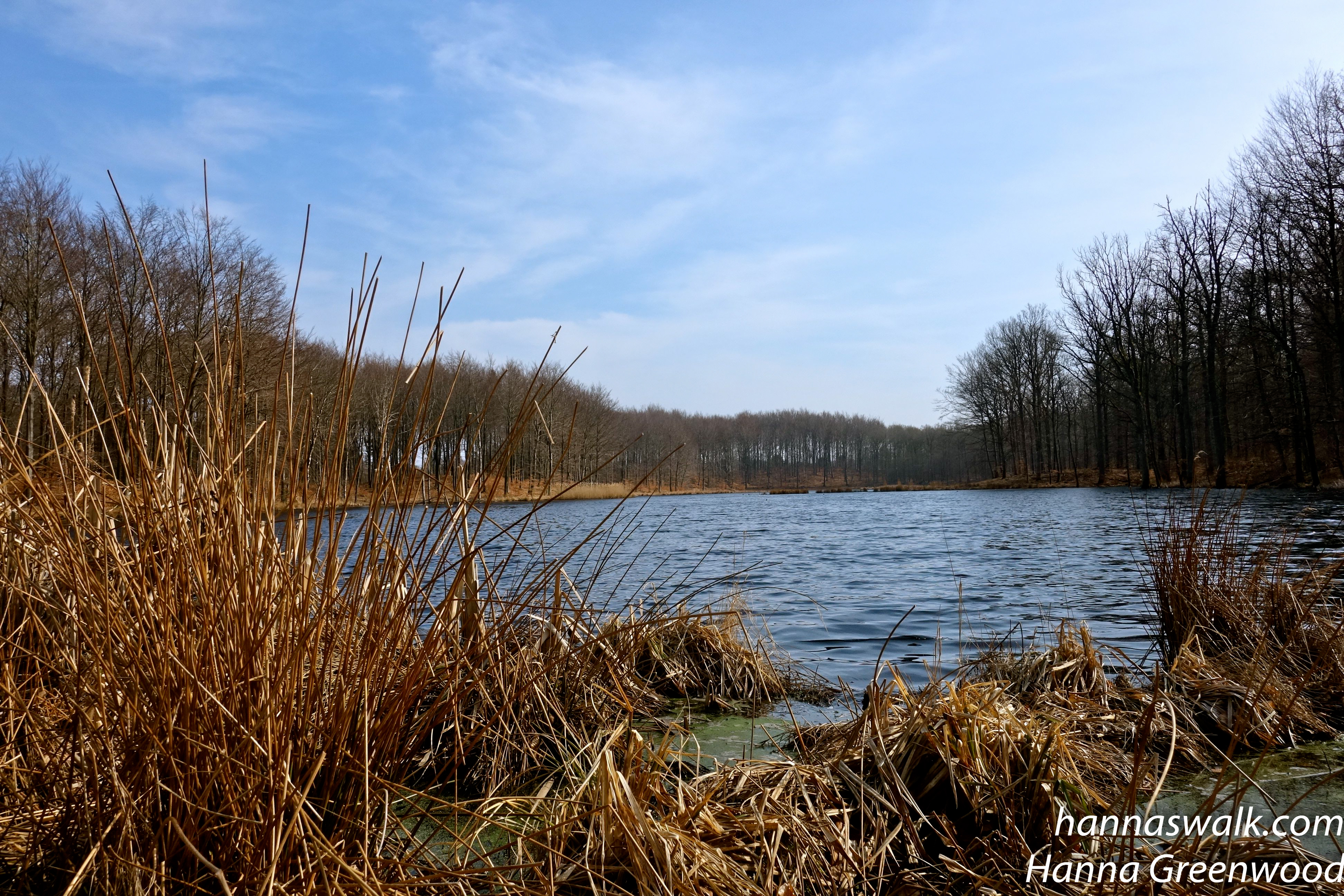
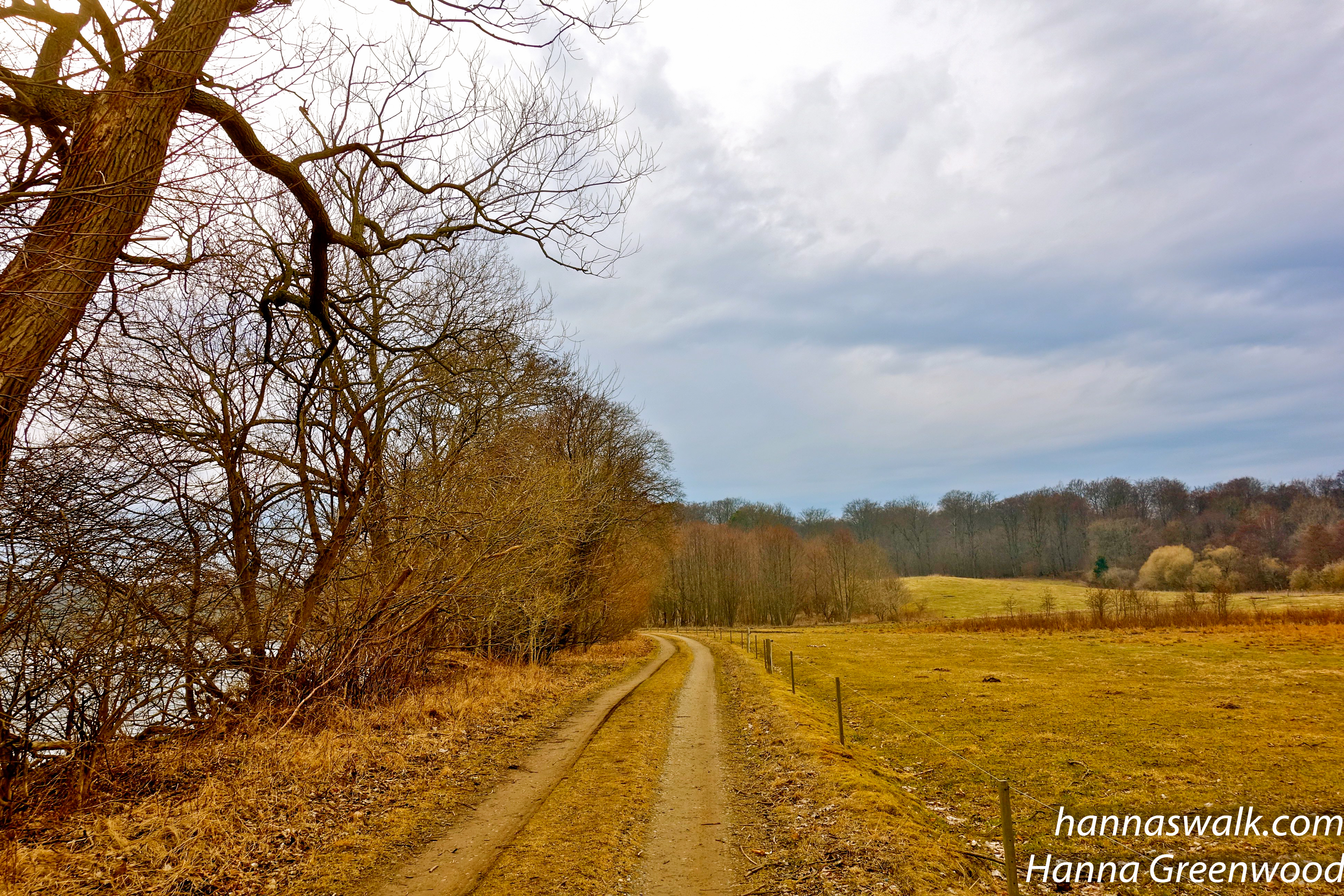
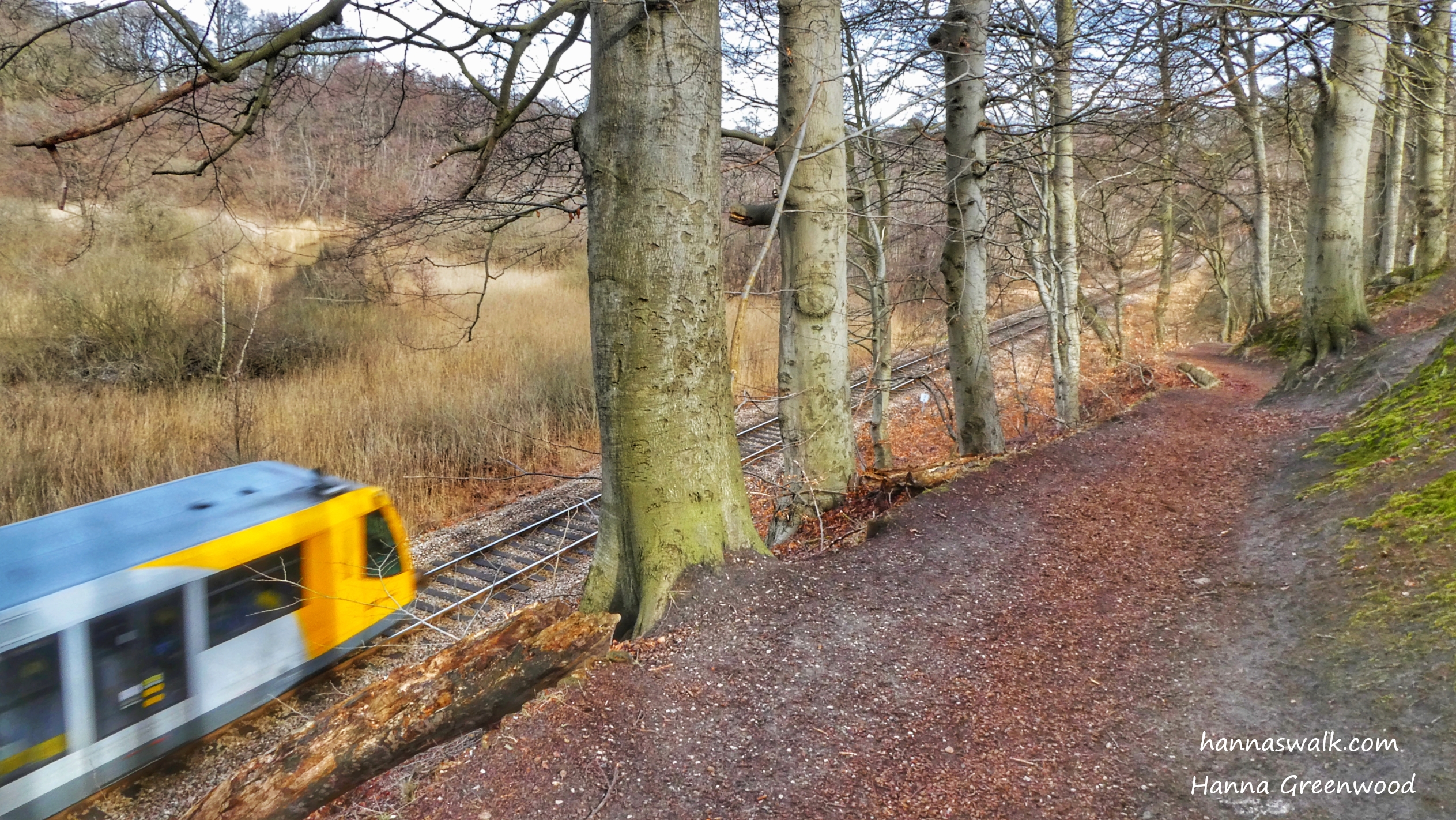
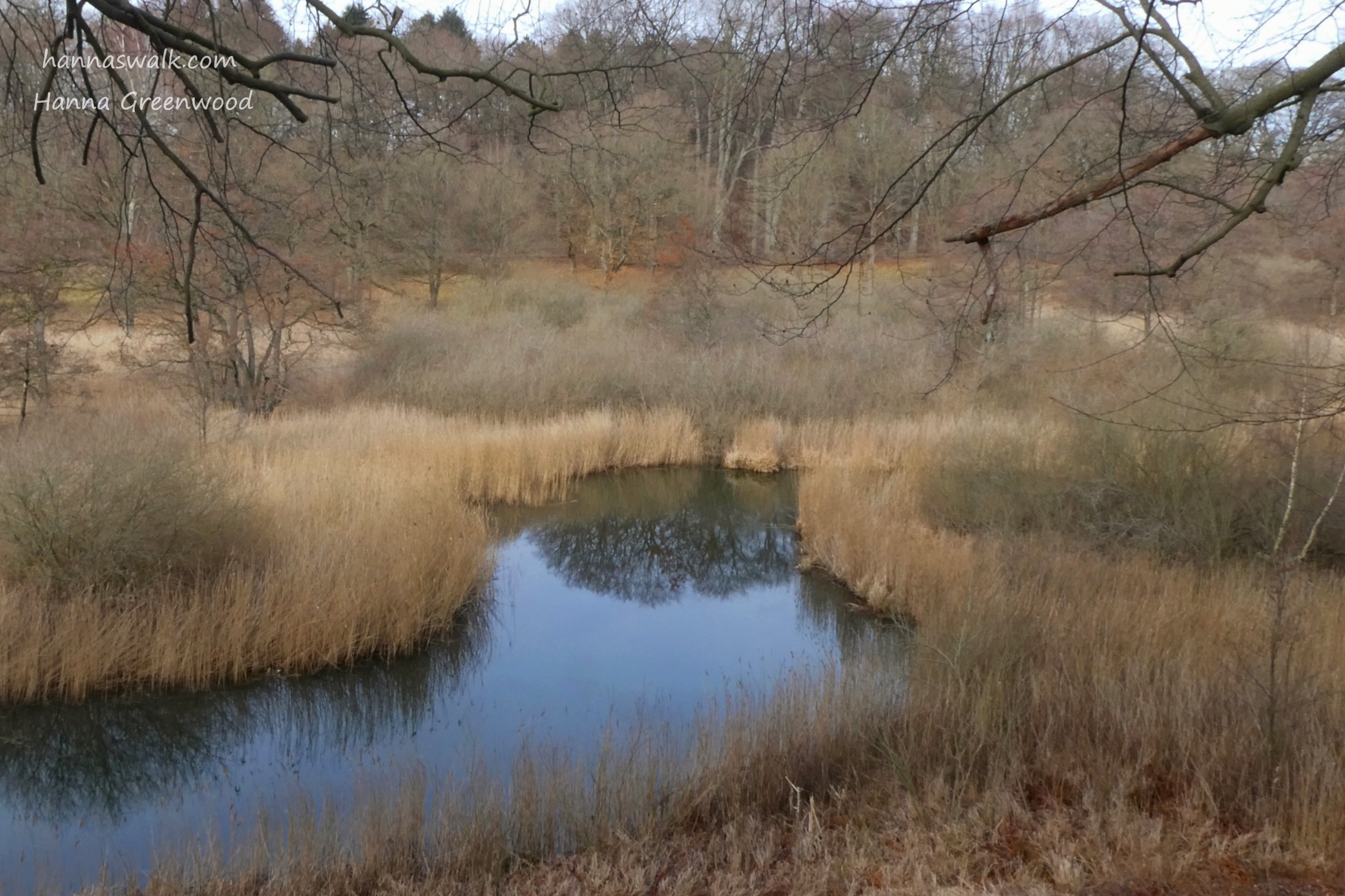
Your question immediately made me think of Esrum Sø. One spring day I started in Gribskov and continued up along Lake Esrum and further up through an area called Russia. I took the train home from Dronningmølle station. Some of the following photos are from that trip.
Rejsevejledning til Fruebjerg: Fra Hovedbanegården i København tager det 57 minutter, så står du midt i Gribskov på Gribsø St, vel og mærke på gunstige tidspunkter. Herfra udgår en mærket rute op over Fruebjerg, se: Skovtursfolder. Ruten er afmærket med gule mærker. Tag et print af kortet eller gå på nærmeste bibliotek, hvor de har hele landets vandretursfoldere stående til fri afbenyttelse. Her er et link til den tur: På afmærket sti til Fruebjerg.
Røde Dam, Gribskov
Hærvejen er en asfaltvej, der begynder ved Kagerup Station og fortsætter ind i skoven til det gamle militæranlæg, hvor Multebjerg Radarstation lå engang.
Her ender Hærvejen ved det gamle militæranlæg.
Nordlige del af Esrum sø
Nordlige del af Esrum Sø
Esrum Kloster
Ved Esrum kloster
Ved Esrum kanal
Esrum Sø
Sti ved Esrum sø
Rusland, tæt på Dronningmølle med labyrinter af kæmpe ene buske og statueparken af Rudolph Tegner.
Silje skriver til mig:
“Jeg er nyflyttet til København fra Norge og nå trenger jeg til litt natur 😊
Kan du tipse meg om en vandretur, en rute på to dagsturer med en overnatting i hytte?
Jeg bor i København og tenker meg å ta toget ut et sted, en god lang dagstur, sove over i en hytte, så en god lang tur dagen efter og så ta toget hjem til København.
Eventuelt om du kan tipse om en nettside med tips til ruter, ala turistforeningen i Norge.”
Mit svar til Silje og alle andre, som ønsker inspiration til vandring: Vi har fantastisk natur i tæt afstand på København med mange afmærkede ruter. Vi mangler DNT´s hyttesystem, men der er vandrehjem, B&B, shelters og teltpladser etableret i samarbejde med Naturstyrelsen.
Nederst i mit indlæg vil jeg omtale fjernvandreveje, men til en start og i de kommende indlæg, vil jeg anbefale de ture, I kan gå på én dag og stadigvæk nå hjem og sove.
Og til dig Silje, et sted, hvor du kan tage hen i en fart, når længslen efter Norges fjelde trænger sig på.
Jeg anbefaler, du lærer Gribskov at kende. Det giver dig uanede muligheder for smukke vandreture.
Der eksisterer 4 vandretur foldere over skoven. Her er der afmærkede gule ruter. Du er nok vant til at bruge kort og kompas, og så vil det ikke være svært at finde rundt mellem de afmærkede ruter og på den måde komme hele skoven rundt, eller så meget som der er tid og lyst til.
Fordelen ved at bo i København er det tætte offentlige trafiknet. Det indebærer, at du kan tage toget fra Københavns Hovedbanegård, og 57 minutter efter står du midt inde i Gribskov, Danmarks 4. største skov.
Her vil jeg anbefale, at du anskaffer dig Rejsekort. Du rejser rimeligt billigt på den måde, men du skal huske at tjekke ind og ud.
Dit spørgsmål fik mig straks til at tænke på Esrum Sø. En forårsdag startede jeg i Gribskov og fortsatte op langs med Esrum Sø og videre op igennem Rusland. Jeg tog toget hjem fra Dronningmølle station. En del af de efterfølgende billeder er fra den tur.
—————————-
Når jeg er returneret efter vandring i Norge eller i Sverige, er det ofte havet, jeg søger mod. Her er det store kig, stilhed og plads til eftertanke.
Sjællands nordkyst byder på flotte strande. En vandretur jeg altid er glad for er mellem Tisvildeleje og Liseleje.
Man kan tage toget til Frederiksværk og bus til Liseleje. Herefter går turen langs med en vidunderlig strand. Er du frisk er det ved at være tiden for en svømmetur. Stranden er rigtig god.
Længere fremme kan du vælge at gå ind i Tisvilde Hegn og Troldeskoven. Jeg vil dog anbefale, at du lærer skoven at kende, før du lægger ud med turen fra Liseleje.
Tisvilde Hegn er visse steder behersket af elverfolket, hvilket gør turen meget lang 😊
Det er et sagn, men der eksisterer et bestemt sted i skoven, jeg ofte er gået vild.
Til sidst skal jeg beklage min manglende evne til at afgrænse mig. Det er mere tiden end mangel på turmateriale, der sætter en stopper for dette indlæg. Håber, at du Silje og andre der måtte være nået hertil i læsningen kan bruge mit indlæg til noget.
Kommenter gerne på indlægget med flere ideer.
Når I planlægger tur, så tjek om der er planlagt banearbejde!
Still, few snow-covered paths were reminiscent of the sudden unexpected snowfall last night. In an instant, everything was white, but just as quickly replaced by rain and darkness.
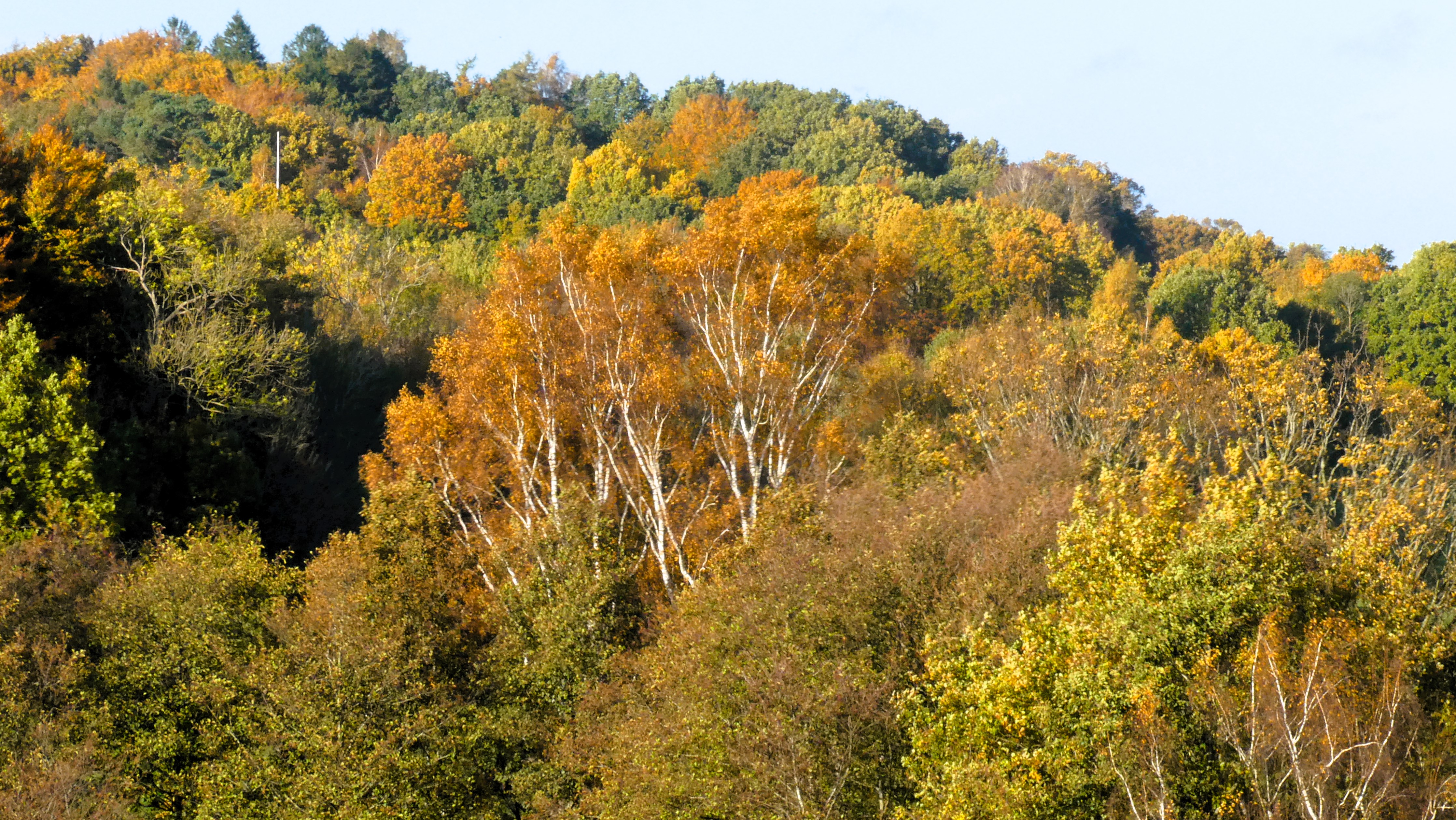
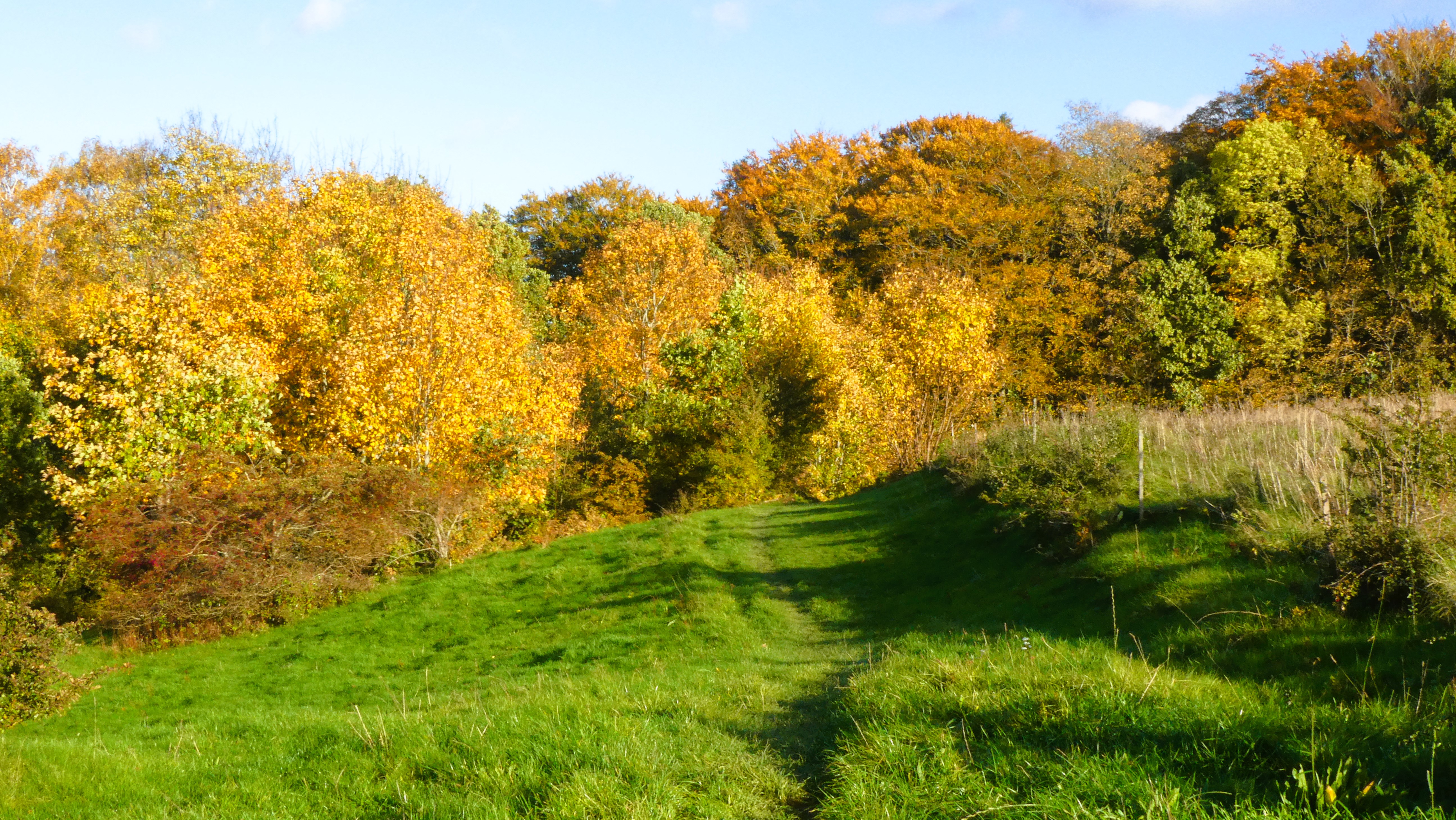
The yellow foliage shines like sunshine. Buzzards screech above me as they gather before the journey. I hear the cranes before I see their wedge-shaped silhouette. They trumpet loudly above my head. Those birds are amazing!! October is outstanding 😊
“October had tremendous possibility. The summer’s oppressive heat was a distant memory, and the golden leaves promised a world full of beautiful adventures. They made me believe in miracles.” ~ Sarah Guillory, Reclaimed
“The winds will blow their own freshness into you, and the storms their energy, while cares will drop away from you like the leaves of Autumn.” ~ John Muir
“…The earth never tires, The earth is rude, silent, incomprehensible at first, Nature is rude and incomprehensible at first, Be not discouraged, keep on, there are divine things well envelop’d, I swear to you there are divine things more beautiful than words can tell…” Song of the Open Road by Walt Whitman










 HANNA'S WALK
You must be logged in to post a comment.