A walk in the shade

Winter came late this year and with a few days of Spring, Summer came with a sustained heat never experienced before.
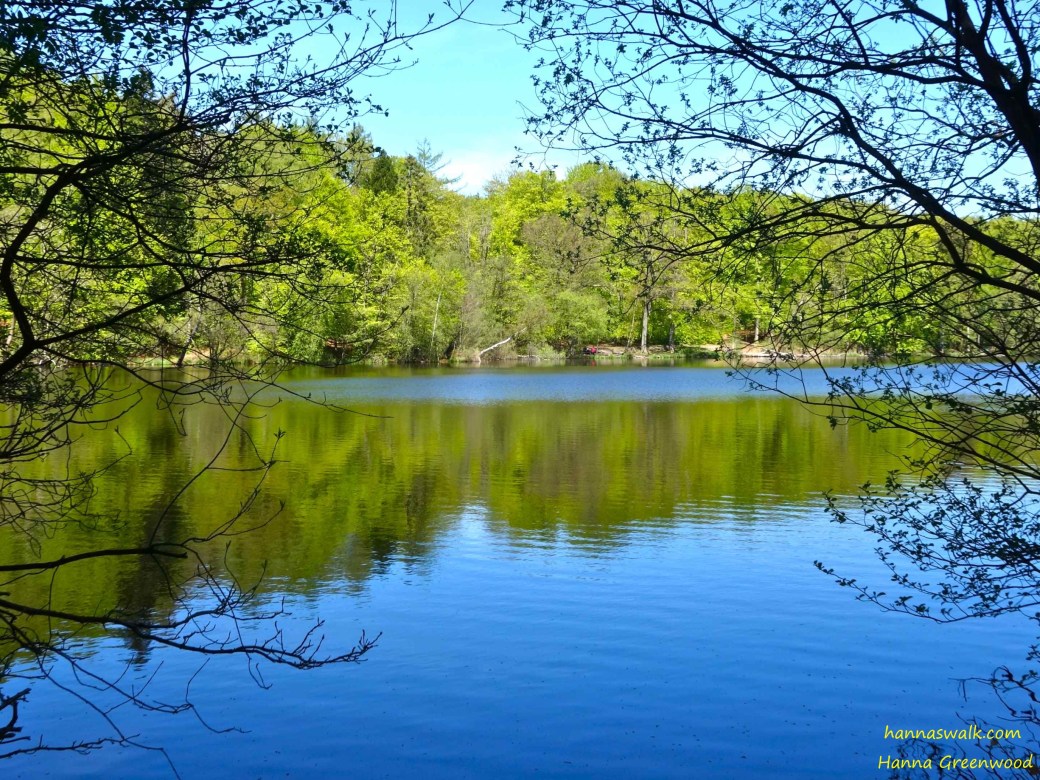
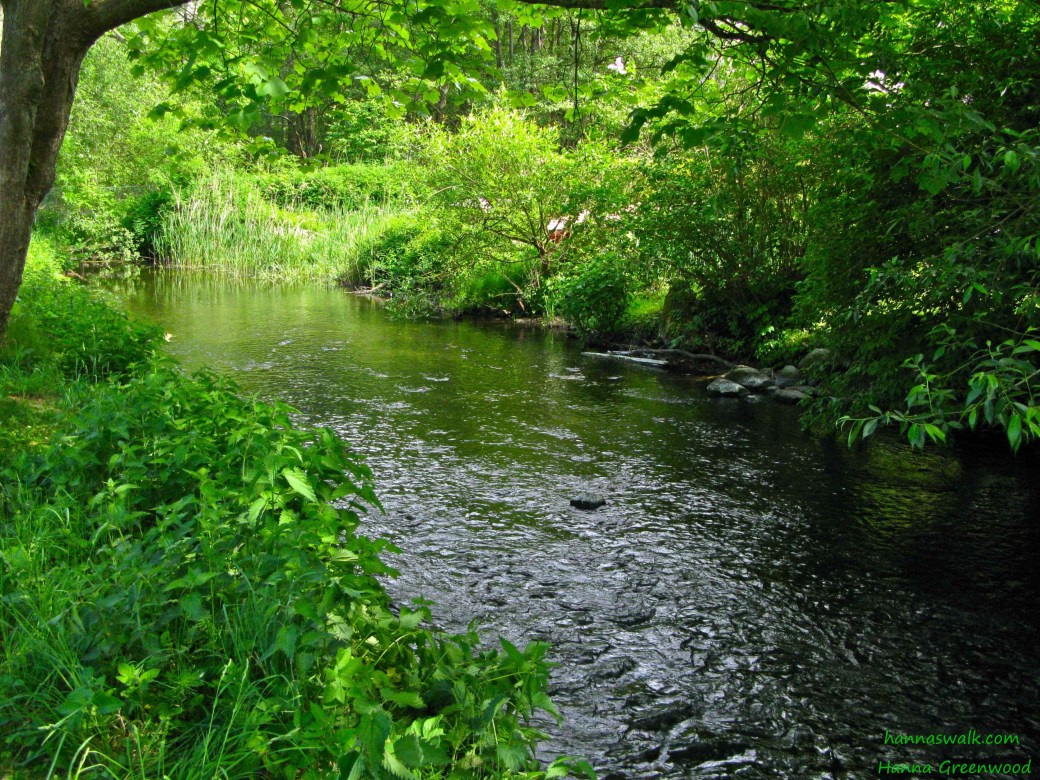
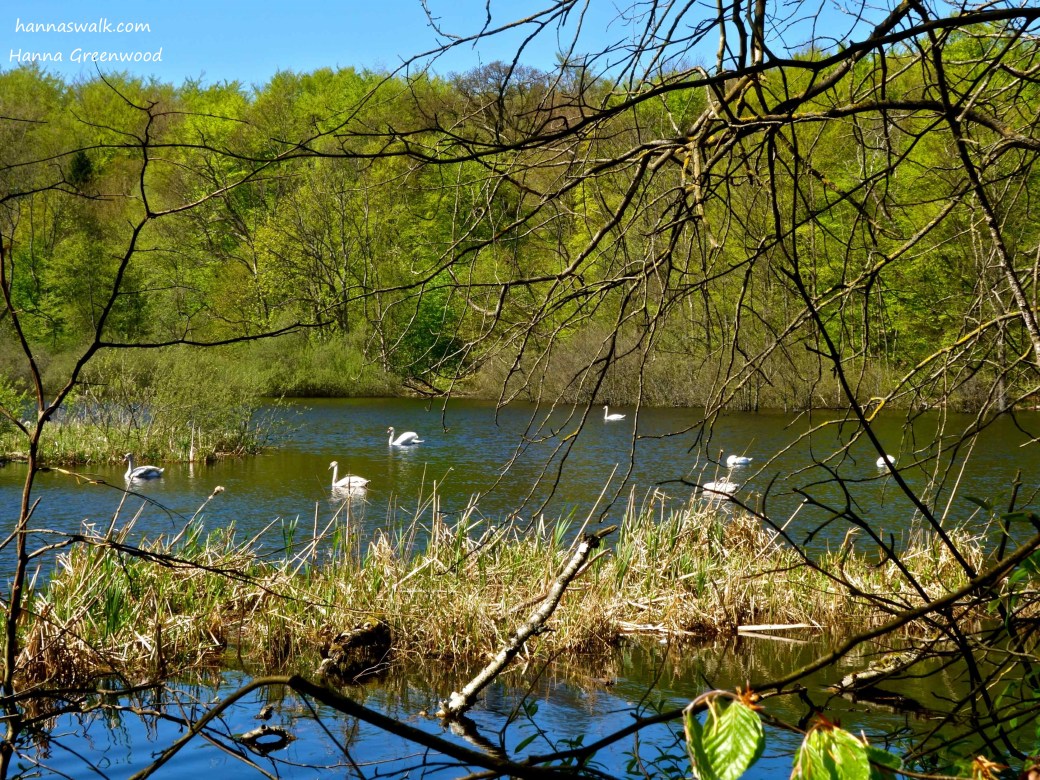
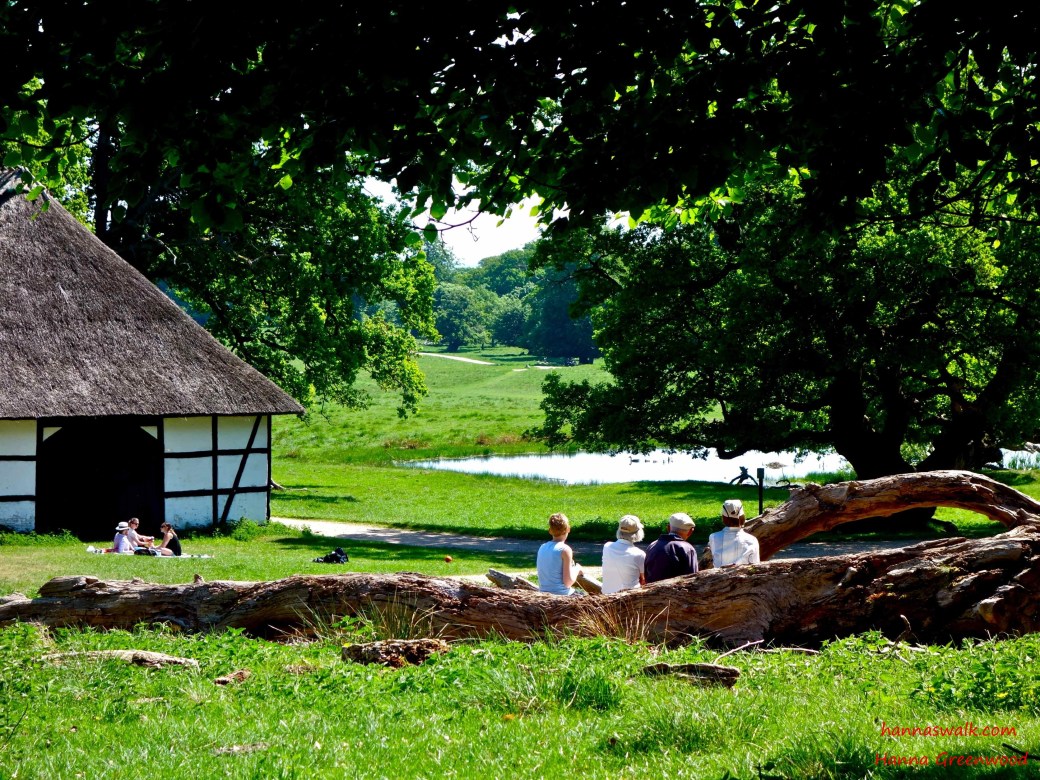
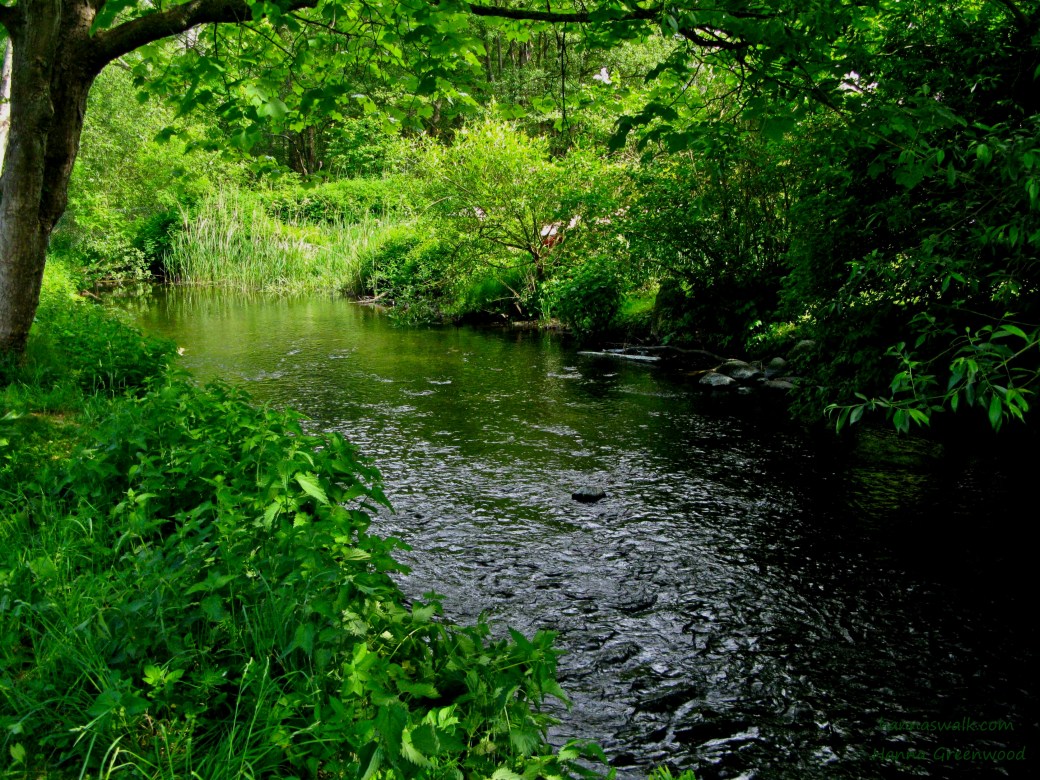
Walking in the shade along a lake is wonderful.
We went for a great walk along Furesøen in late May with a cooling breeze from the lake.

A few days later we did a walk along the lake one morning.
Greetings of good morning came from everywhere.
A very pleasant walk among happy people.
Sunshine does remarkable things for people’s mood 🙂

The Spirit of Poetry by Longfellow

The Spirit of Poetry
There is a quiet spirit in these woods,
That dwells where’er the gentle south-wind blows;
Where, underneath the white-thorn, in the glade,


The wild flowers bloom, or, kissing the soft air,
The leaves above their sunny palms outspread.
With what a tender and impassioned voice
It fills the nice and delicate ear of thought,


When the fast ushering star of morning comes
O’er-riding the gray hills with golden scarf;
Or when the cowled and dusky-sandalled Eve,
In mourning weeds, from out the western gate,
Departs with silent pace!  That spirit moves

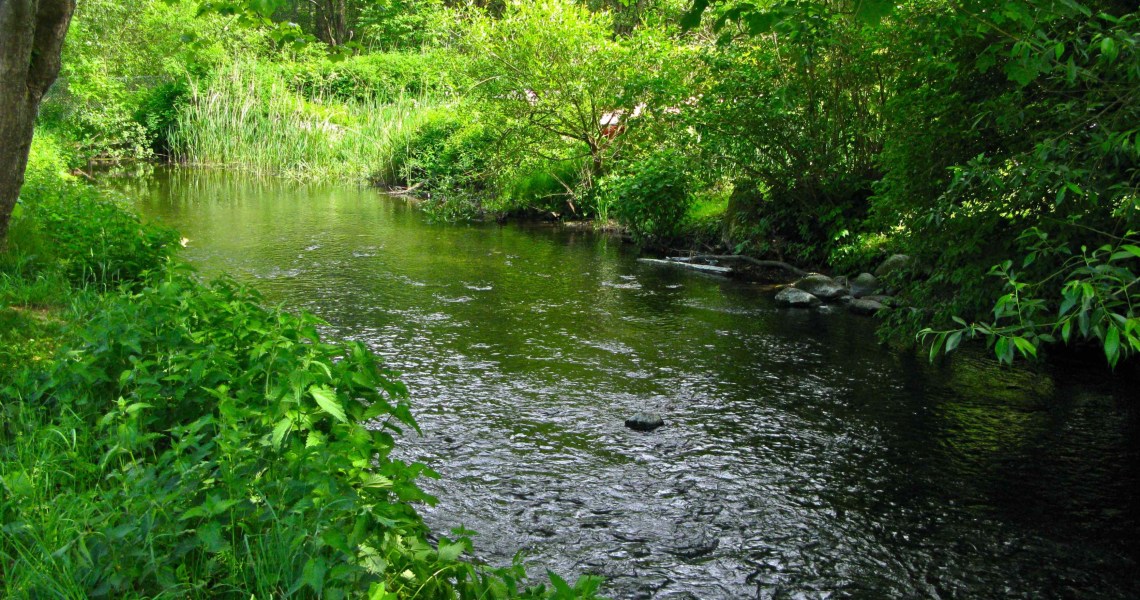
In the green valley, where the silver brook,
From its full laver, pours the white cascade;
And, babbling low amid the tangled woods,
Slips down through moss-grown stones with endless laughter.
And frequent, on the everlasting hills,
Its feet go forth, when it doth wrap itself
In all the dark embroidery of the storm,
And shouts the stern, strong wind.  And here, amid


The silent majesty of these deep woods,
lts presence shall uplift thy thoughts from earth,
As to the sunshine and the pure, bright air
Their tops the green trees lift.  Hence gifted bards
Have ever loved the calm and quiet shades.

For them there was an eloquent voice in all
The sylvan pomp of woods, the golden sun,
The flowers, the leaves, the river on its way…

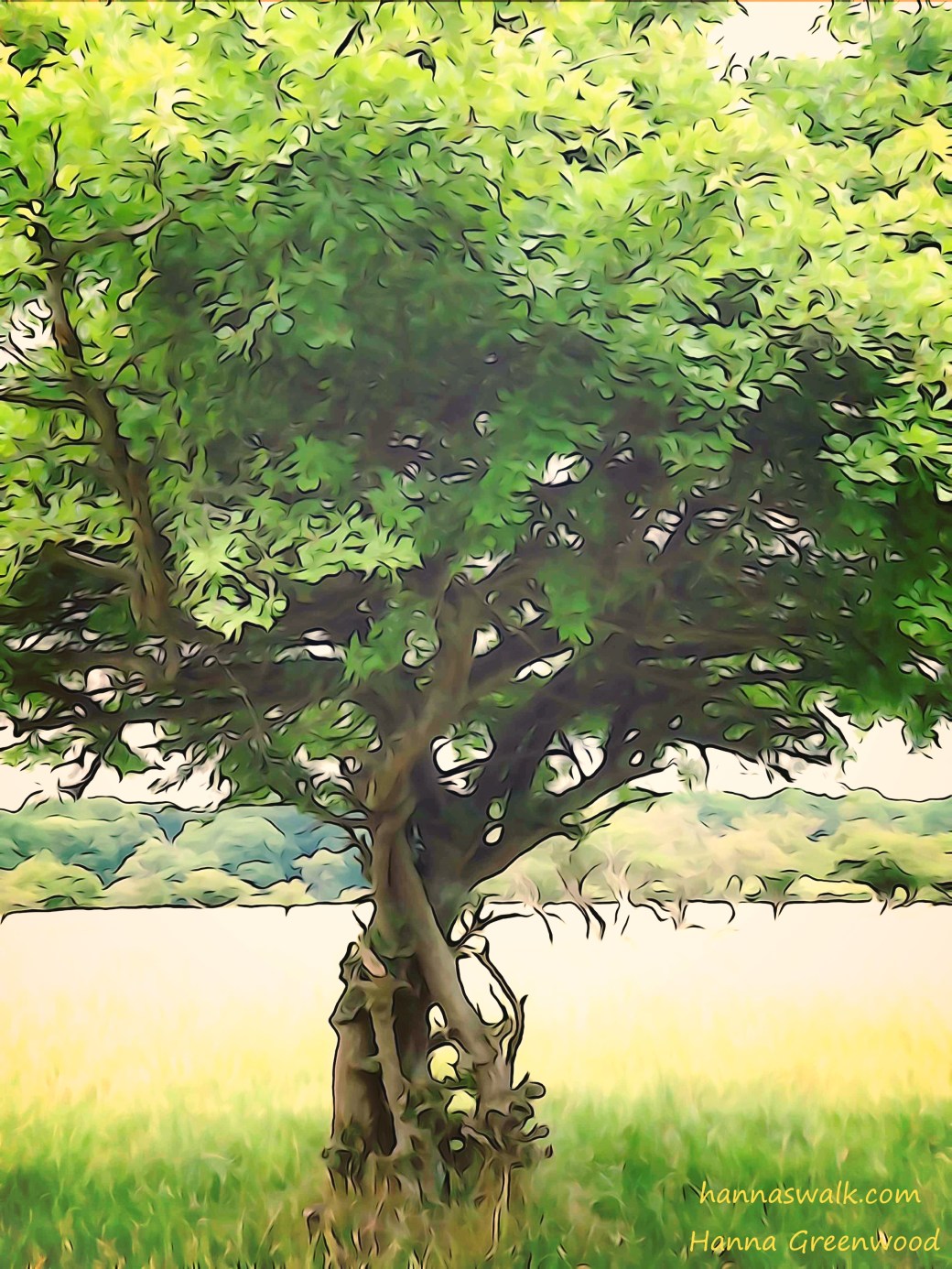
The old Thorn

There is a Thorn,—it looks so old,
In truth, you’d find it hard to say
How it could ever have been young,
It looks so old and gray.
Not higher than a two years child
It stands erect, this aged Thorn;
No leaves it has, no prickly points;
It is a mass of knotted joints,
A wretched thing forlorn.
It stands erect, and like a stone
With lichens is it overgrown.

William Wordsworth, The Thorn

The idyllic mass grave

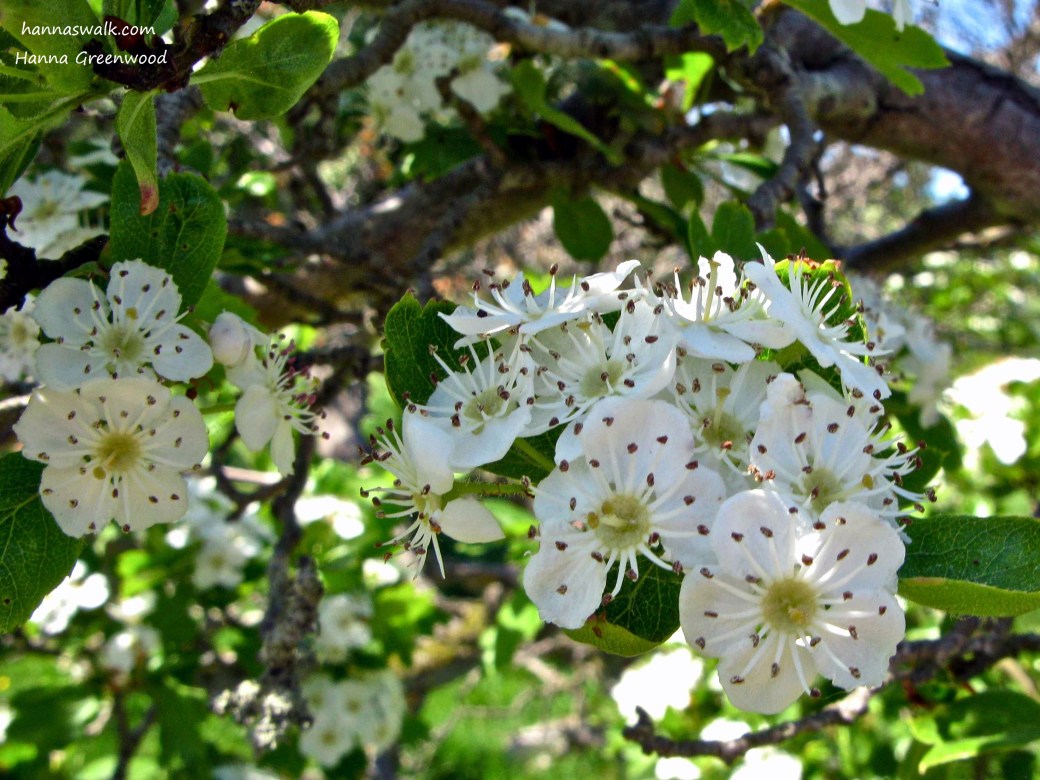
People are passing by without paying any attention to the hawthorn grove in the forest at the gate of Taarbæk.
I often wonder if they are aware of the story.
Beneath the hawthorns is a mass grave. A grave for the victims of a cholera epidemic in Copenhagen back in 1853.
The many dead were driven on carts along the coast of Øresund to be buried inside the forest at Taarbæk.
There wasn’t enough burial ground left in Copenhagen for all the poor people who died of the epidemic.
I was speechless when I by a coincidence learned about the tragedy and the grave a few years back.

Old superstitions said that people got infected by plague if they sat on a grave and that is why the hawthorns were planted to avoid the epidemic from spreading.
The story also got my imagination working overtime, when I met a strange woman on a little path between the hawthorn a few years ago:

‘I went there on a late afternoon. It had just rained, it was cloudy and there was a sombre atmosphere about the place. Maybe I needed a rest, or maybe it was my meet with the woman who influenced me.
She was suddenly in front of me. Where did she come from? She was white-haired and pale. Eyes were dark and odd tinned at the same time. She looked right through me, and I made way, otherwise she had walked into me on the narrow path.
Some hours earlier, I had read several stories of peasants who constantly prohibit felling the hawthorn. Felling a hawthorn means disaster on animals and humans, and the old superstition is alive and well.
I wondered how far photography was included in the many legends and myths that exist around the trees. I took the chance and found several motifs, after which I gladly left the burial site. I was unusually tired when I got home, and I attributed it to the long day I had.

At night I woke up with severe pain in the stomach.: The Death and The Hawthorn

The place is very idyllic and a mass grave isn’t the first thing that pops up in your mind when looking at the small hawthorn grove.
A few kilometres away is a beautiful hawthorn plain at Springforbi.

It turns out that the two species of common hawthorns and single-seeded hawthorn cross spontaneously.

Hawthorns grow by insect pollination, so it can take place over long distances, also from Taarbæk. And the crossing is fertile: it continues to put seeds. The thorns that were planted on top of the cholera graves in the forest, was a single-seeded hawthorn and the one on the plain was a common hawthorn.

I read that many Hawthorns on the plain at Springforbi developed into a new subspecies and Christen Christiansen Raunkiær, Professor of Botany at the University of Copenhagen and Director of Botanical Gardens 1912-23 named it: Cratægus Eremitagensis.

On the first Saturday in June people visit the unique Hawthorn plain at Springforbi.
Some are dressed in white just like the hawthorns and all are celebrating the arrival of the summer.
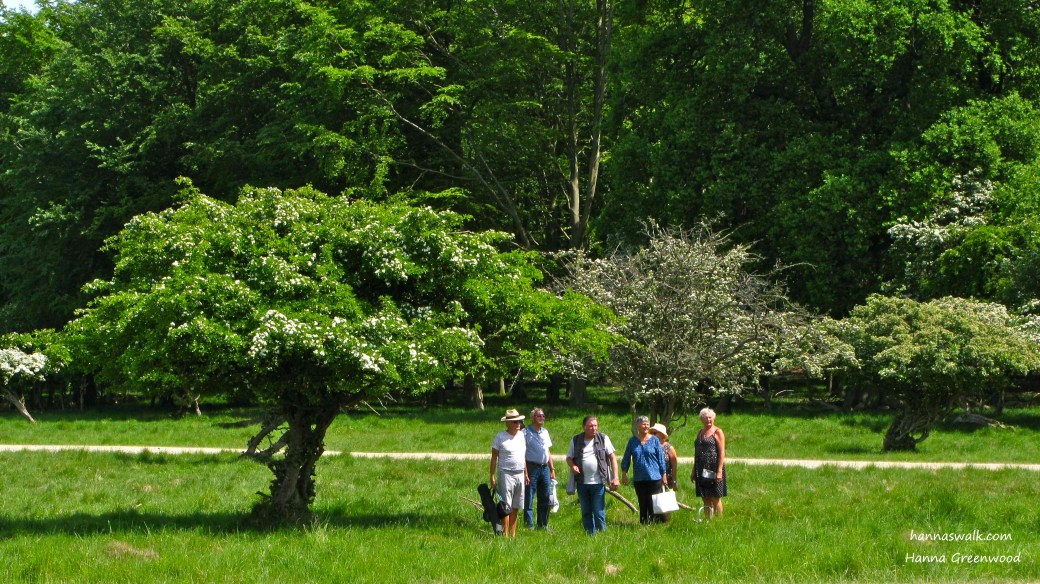
But I often wonder if they know of the trees development 🙂

A remarkable summer already

Temperature of 30 degrees is unusual in Denmark, but the spring weather indicates that changes are underway.
May and June have historical temperature records already.
The pictures are from 10th of June. Meteorologists predicted rain, but it evaporated before it hit the ground.
The whole country is hit by massive drought.

Is this the Mediterranean?

Is this the Mediterranean or the strait between Sweden and Denmark?
I have my doubts these days. This month of May beats all records and will be the hottest month ever measured in Denmark.
A walk along the sea is absolutely wonderful with a little breeze from the east.
Today, the temperature reached 28 degrees, some places 30 degrees and the warm weather continues the next week.

‘The month of May ended up as the warmest measured in Denmark with an average temperature of 15.0 ° C. It is 1.2 ° C warmer than the now second-warmest May 1889 of 13.8 ° C. DMI has measured the temperature nationwide since 1874.’ *DMI

Unplugged

Unplugged in unexpected summer days

Which path would you choose?

We can go for a walk, but only on the big paths!!
It is not the first time we have that exchange of words my friend and I, but that’s just an expression of differences between to people.
Well today I’m alone and I can pick all the twisted and odd paths I might find and I’m thrilled. I choose new paths I’ve never walk before and get a new view to lakes due to a different angle.
That finally brings me along a small path between newly sprouted birch trees to a point on a hill beside the biggest hill we have in Denmark in North Zealand; Maglebjerg.
Here I find a beautiful granite stone, but without the inscription on the geodetic measuring point on Maglebjerg. The only marking is a large engraved X on the top of the stone.
X marks the spot! I can still see the path below between the beautiful fresh beech leaves.
Only the song from the birds can be heard that’s all.
On a day like today this spot is worth a visit.

A walk in Fairy Land

Spring is full of poetry.
This is one of my favourite poems by William Shakespeare

Over hill, over dale,
Thorough bush, thorough brier,
Over park, over pale,
Thorough flood, thorough fire,
I do wander everywhere,
Swifter than the moone’s sphere;
And I serve the fairy queen,
To dew her orbs upon the green:
The cowslips tall her pensioners be;
In their gold coats spots you see;
Those be rubies, fairy favours,
In those freckles live their savours:
I must go seek some dew-drops here,
And hang a pearl in every cowslip’s ear.

Why do we love the sea?

I sometimes wonder why the attraction to the sea is that big.
But maybe the answers are many.

Why do we love the sea? It is because it has some potent power to make us think things we like to think.
Robert Henri