
Have you doubt about your shoes? Put on your walking boots and go for a lovely walk in the spring ❤


Have you doubt about your shoes? Put on your walking boots and go for a lovely walk in the spring ❤
This is a place where people greet each other when they meet. I think it is an expression of big nature. People become humble and remember where they come from. That’s the effect this forest has on me.
“We walked always in beauty, it seemed to me. We walked and looked about, or stood and looked. Sometimes, less often, we would sit down. We did not often speak. The place spoke for us and was a kind of speech. We spoke to each other in the things we saw.”
Wendell Berry, Jayber Crow

When the gold is on the willow, and the purple on the brier,
Not hoary hair or heavy care can still my wild desire
To race across the uplands, over Memory’s tender turf,
And dive out of my sorrows in the dogwood’s bloomy surf.
O blue were violets in our youth, and blue were April skies,
And blue the early song-bird’s wings, but bluer were the eyes
That, in that land of long ago, looked thro’ the window pane,
And saw the tulips nod to us amid the slanting rain,
Where all the dusk was glowing with our ruddy cottage fire,
When the gold was on the willow, and the purple on the brier.
When the gold is on the willow, and the purple on the brier,
The ducats of the dandelions have paid old Winter’s hire,
And sent him shuffling northward in garb of tattered snow;
White-tasseled birches after him their balmy odors throw.
Carousing in the bramble brake the brown bees, boozing, sip,
And up the river’s cataracts the shining salmon slip.
The schoolboy’s spirit leaveth him upon the weary seat,
And over loamy furrows leaps, with lightsome heart, to greet
The chipmunk on the mossy wall, the bullfrog in the mire,
When the gold is on the willow, and the purple on the brier.
When the gold is on the willow, and the purple on the brier,
He whistles the cantata of the blackbird’s noisy choir,
And all the murmurous music of a manumitted stream
Sings soft around his naked feet, where shallow ripples gleam,
As if the loops of crystal wherein the lad doth wade
Had threaded through the lilies of some Paradise arcade,
And little laughing angels had tucked their tunics high,
To plash across its limpid shoals before it left the sky;
And still it lilts the melody of lute, and harp, and lyre,
When the gold is on the willow, and the purple on the brier.
When the gold is on the willow, and the purple on the brier,
It may be sin to say it, but I fear that I shall tire
Of heaven’s eternal summer, and sometimes I will yearn
To see across the greening swale, a budding maple burn.
My soul can ne’er be satisfied where sweet Spring never hath
Her way along the mountain side or by the meadow path,
Where kingcups never catch the sun, or bluebells mock the sky,
Or trout beneath the foam-wreaths hide, or bass jump at the fly,
And, in some homesick moment, for a furlough I’ll inquire,
When the gold is on the willow, and the purple on the brier.
By Robert Mcintyre

The weather changes between sun and showers on my walk. The wind is icy and a powerful burst containing hail almost makes me lose my breath. Then suddenly around a corner, I’m sheltered and the sun breaks through a dark blue-grey sky and nature sparkles and shines in the cold spring.


The badger is the largest predator in Denmark and can reach the age of 7 to 8 years.
We found this lovely badger dead on the railway tracks 3 days ago. Probably hit by the train in the early morning.
The badger is rather slow and noisy when looking for food, so it rarely captures healthy mammals and birds, but likes to take carrion.
It often find food within a range of 300-400 meters from the grave. The badger is a real troglodyte, who lives more than half his life down in the grave.
The badger gives birth to 2-3 cubs and raise them in the den. The cups are born in March, but they are not allowed to come out of the grave before May when they learn to seek feed together with their mother.
Sad end of a beautiful walk.
_______________________________________
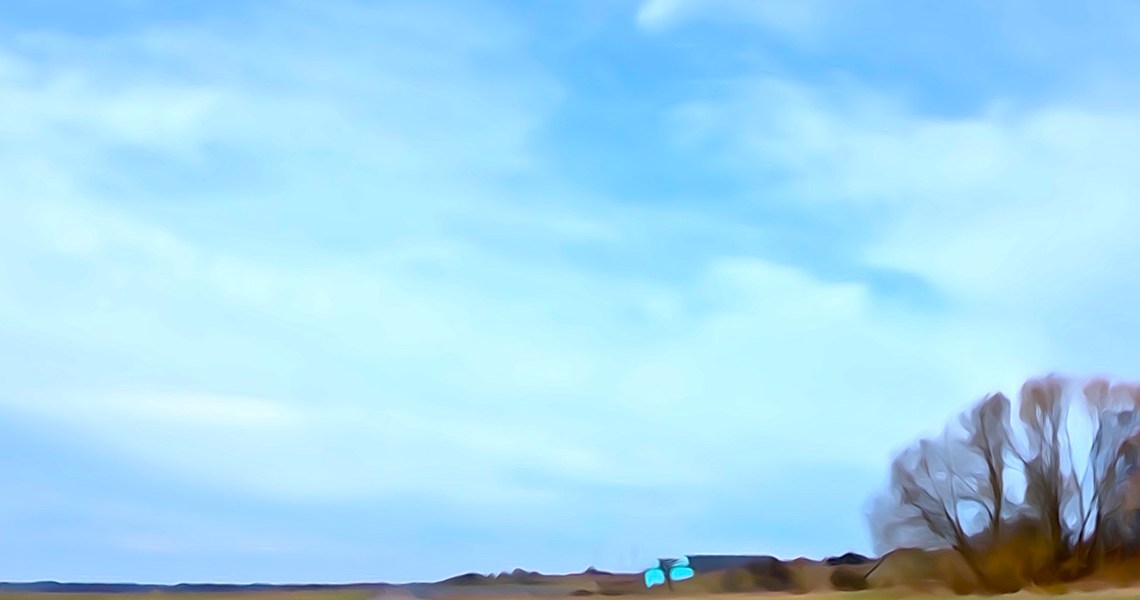
This area is a former military airbase now in use for recreational purposes.
Biking, birdwatching, training on the field course. The imagination is only limited within the given context.
Take a look at the fantastic birds Samuel spotted on his excursion to the former airbase:


“I 2004 besluttede man i forbindelse med forsvarsforliget, at Flyvestation Værløse skulle nedlægges og afhændes. Naturstyrelsen overtog 1. oktober 2013 det åbne naturareal med tilhørende bygninger fra Forsvaret. Centralt på arealet er den store åbne slette med den 3 km lange og 50 meter brede startbane. Arealet rummer endvidere en del arealer, der er overdrev. Området afgrænses mod vest af Bringe Mose, der ligeledes er naturbeskyttet.
Store dele af Naturstyrelsens område blev åbnet for offentlighedens adgang i efteråret 2012. Fra Forsvarets brug som flyvestation er der på arealet adskillige forurenede områder. Det medfører, at der er flere områder, der er hegnet fra og ikke offentligt tilgængelige.”. Naturstyrelsen
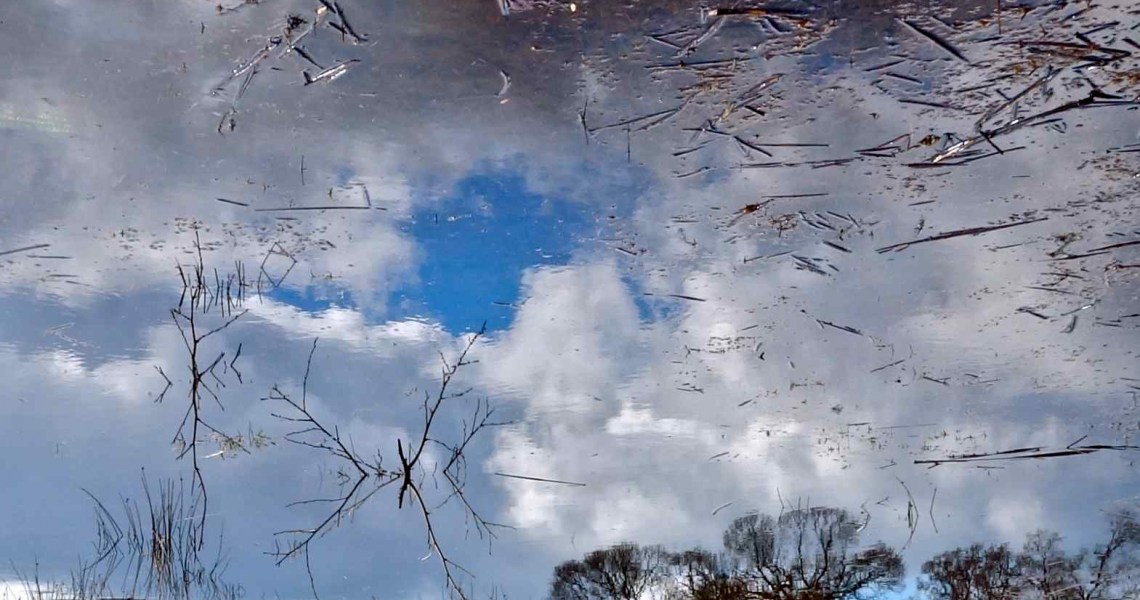
Sometimes ‘smultronställer’¹ shows themselves in nature quite unexpected and Søllerød Naturpark never fails to make my spirit fly high and to remember certain moments.
Woodlands and fields lie above the golf course on Rygaard Overdrev. I love the hilly area. The nature park is a continuation of Rude Skov and invites for a walk.
We often went by public transport in the past, when we wanted to explore an area.
It gives you the opportunity to begin the walk in one place and end up in another.
One sunny day not long ago I took Bus 150 towards Kokkedal Station and got off at Gammel Holte. I continued down Gamle Holte Gade and turned left just before Gammel Holte Vej.
Sometimes the path reminded me of Cumbria, of pictures I have seen from the moor in England.
Soon the path disappeared in a little lake and though I was wearing Goretex I went round and not through the new lake in order to keep warm and dry. Soon I was in the forest, Rude Skov and after a nice walk past Løje Sø I ended my walk at Holte Train Station.
Once again I had an overwhelming feeling of a longer hike. That’s what a walk can do for me when I plan the walk in the right way.
You should try it your self should you get the chance.


¹
A smultronställe is a Swedish term for a place that is an undervalued gem. A place to feel comfortable, and hard for others to find. Often a place with a personal and emotional value. Literally smultronställe means a place of wild strawberries.

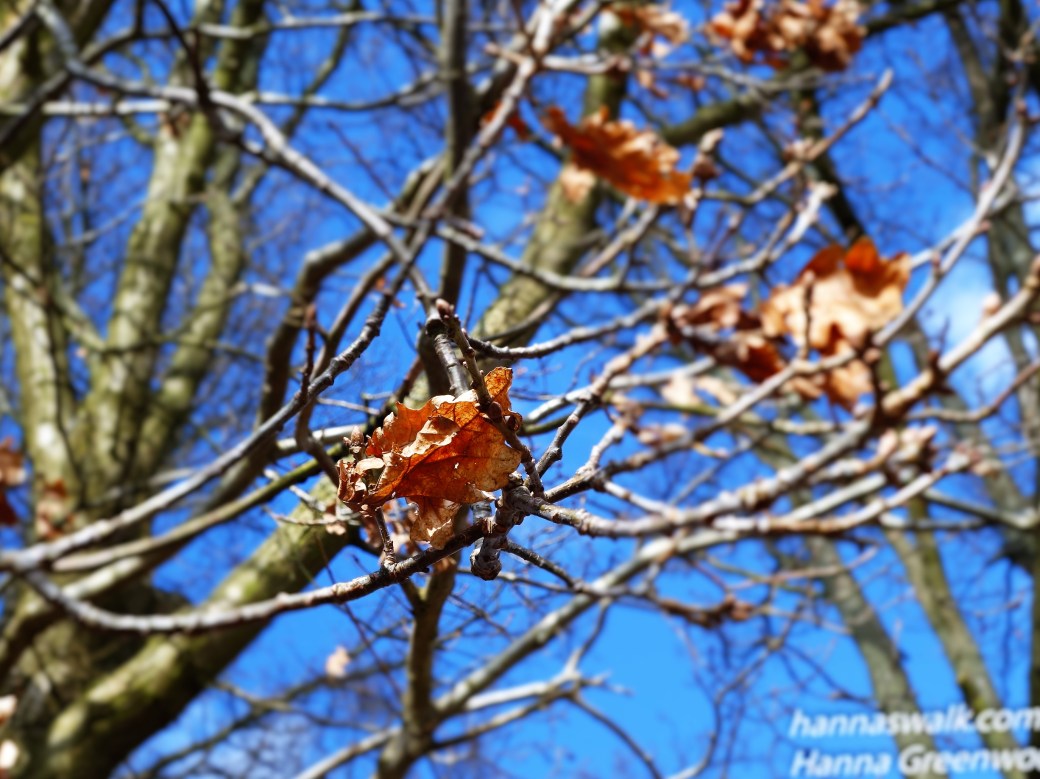
When all the other trees are bare,
Why do those last few oak leaves cling up there
under the cold blue sky?
Don’t they know when to die?
And to think: after the long freeze,
when warmth revives and fills these empty trees
with the green stuff of spring,
they’ll still be lingering,
brown, withered, and grotesquely curled,
with their dry whispers from another world.
Leaves, cling where you grew!
Maybe I’ll hang on too.
Survivors by Richard Moore


This is a walk not a climb. Though only 82 meter above sea level the Danish mountain, Højbjerg is a beautiful place
From the top of Højbjerg you have a lovely view over the fields and treetops.
The Ice Age landscape was formed 15,000 – 12,000 B.C.
Two glaciers created a wonderful rolling scenery of hills and valleys, lakes and marshes. A great amount of melting ice created kettle holes, and the current lake Løjesø, was formed among many lakes.


_____________________________________
 HANNA'S WALK
You must be logged in to post a comment.