A Great Walk Along Lake Esrum

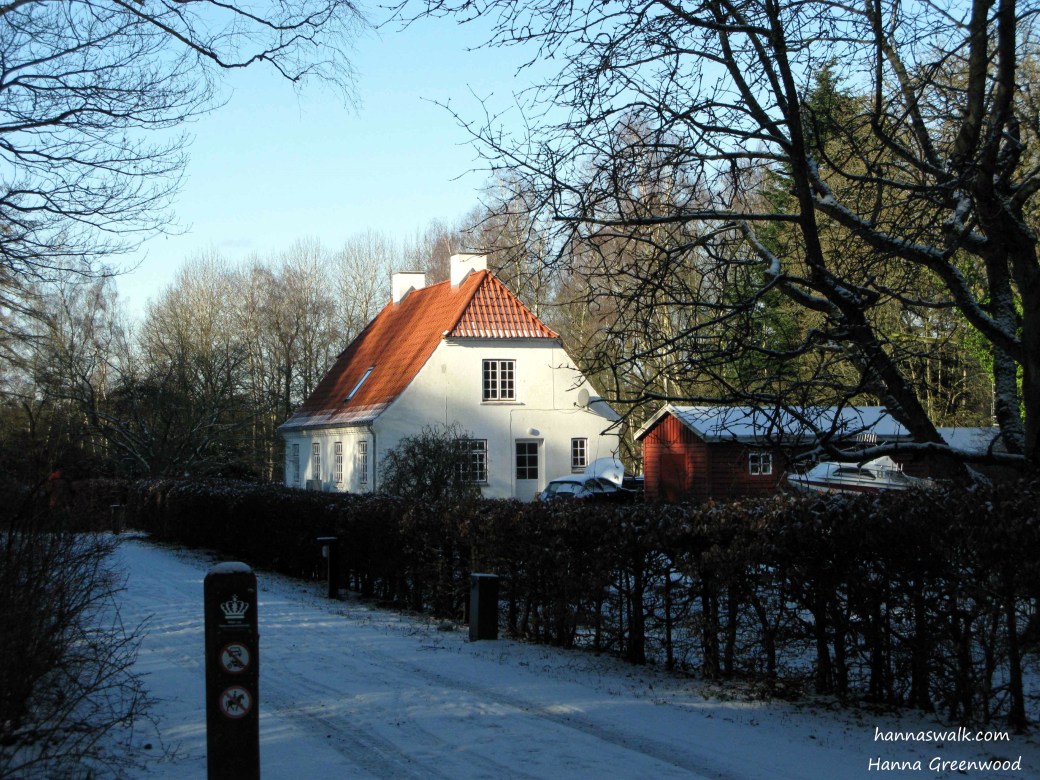
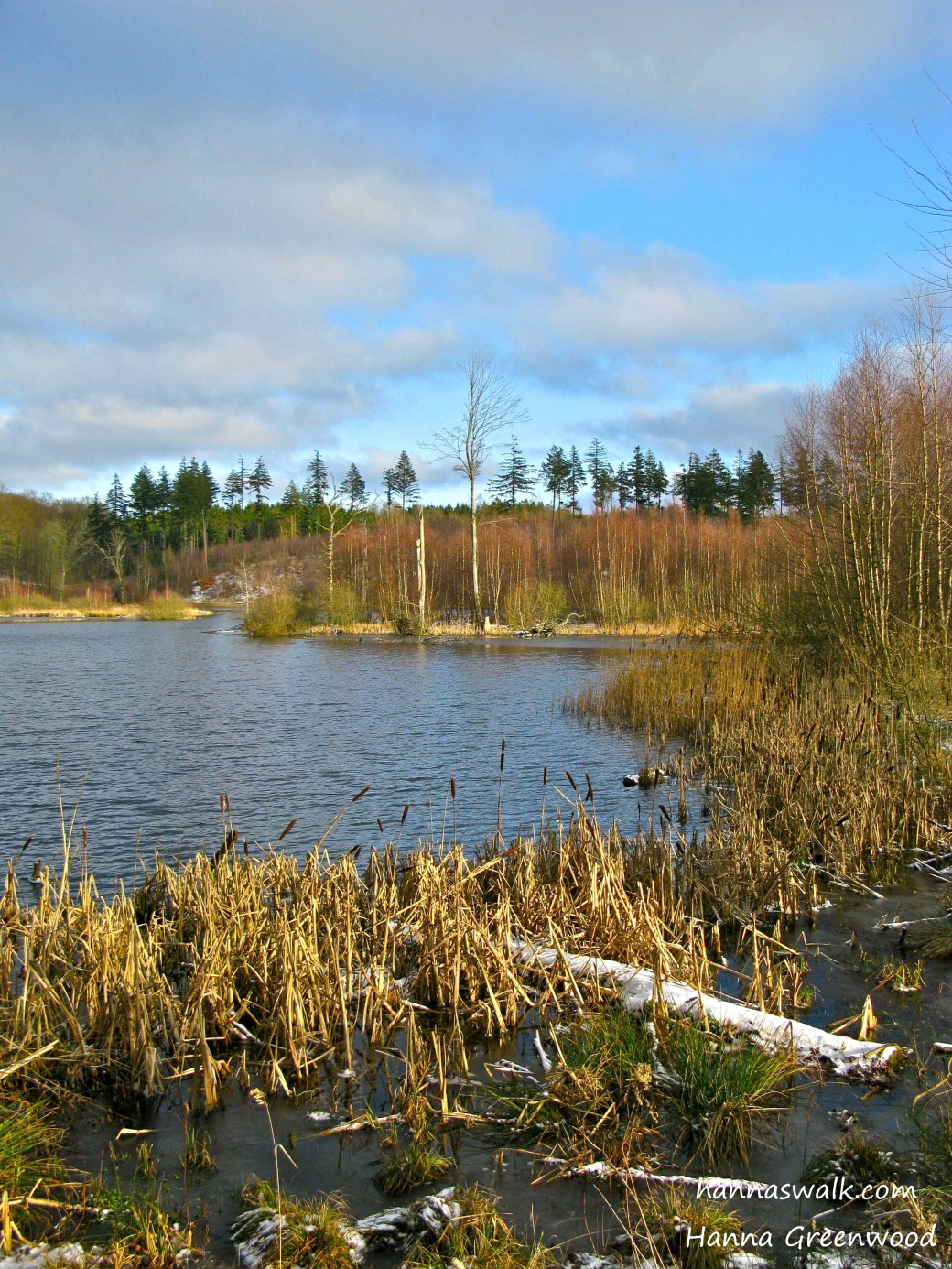
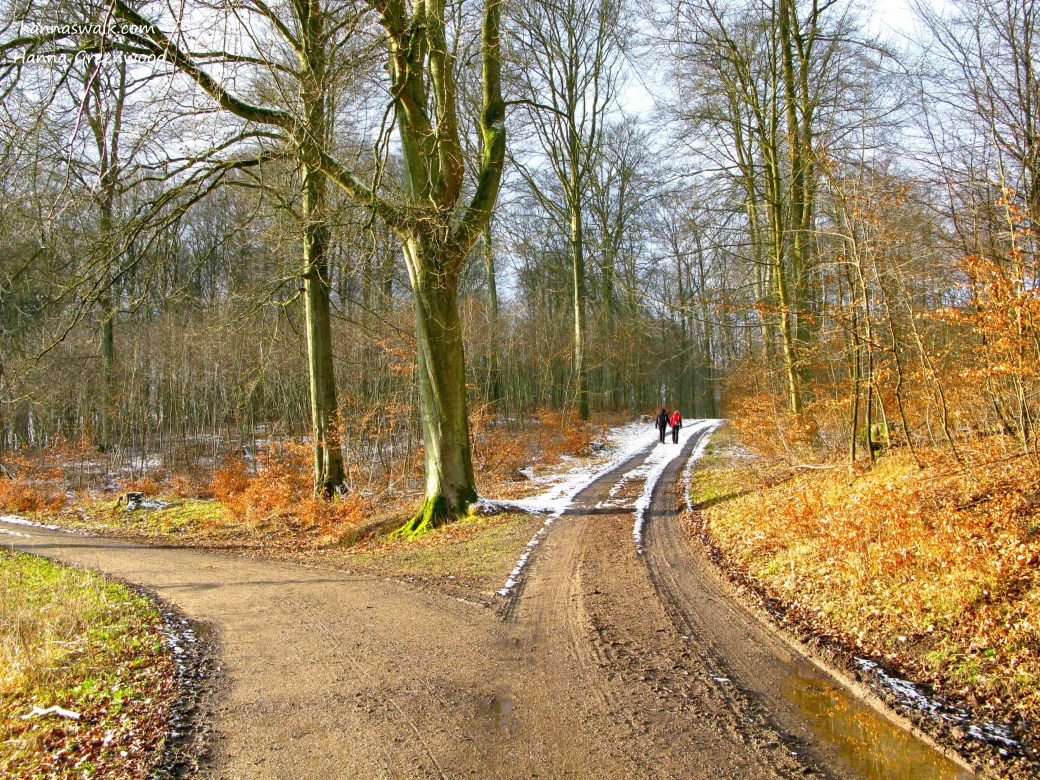
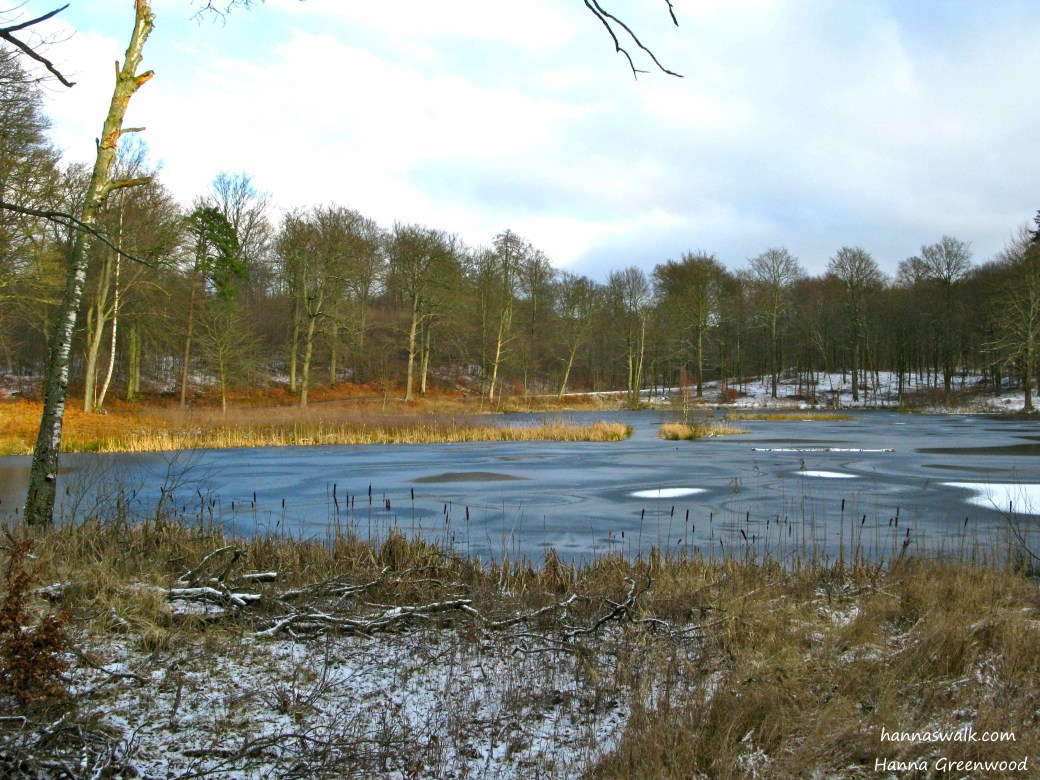
We had a wonderful sunny walk along Lake Esrum some days ago.

Lake Esrum is the largest lake in Denmark by water volume and the second-largest lake by surface area, after lake Arresø. It is situated in the central part of North Zealand (the northeastern region of Zealand), straddling the boundaries of the municipalities Hillerød, Fredensborg, Helsingør and Gribskov, some 40 kilometres north of Copenhagen. wikipedia.

When nature comes close…

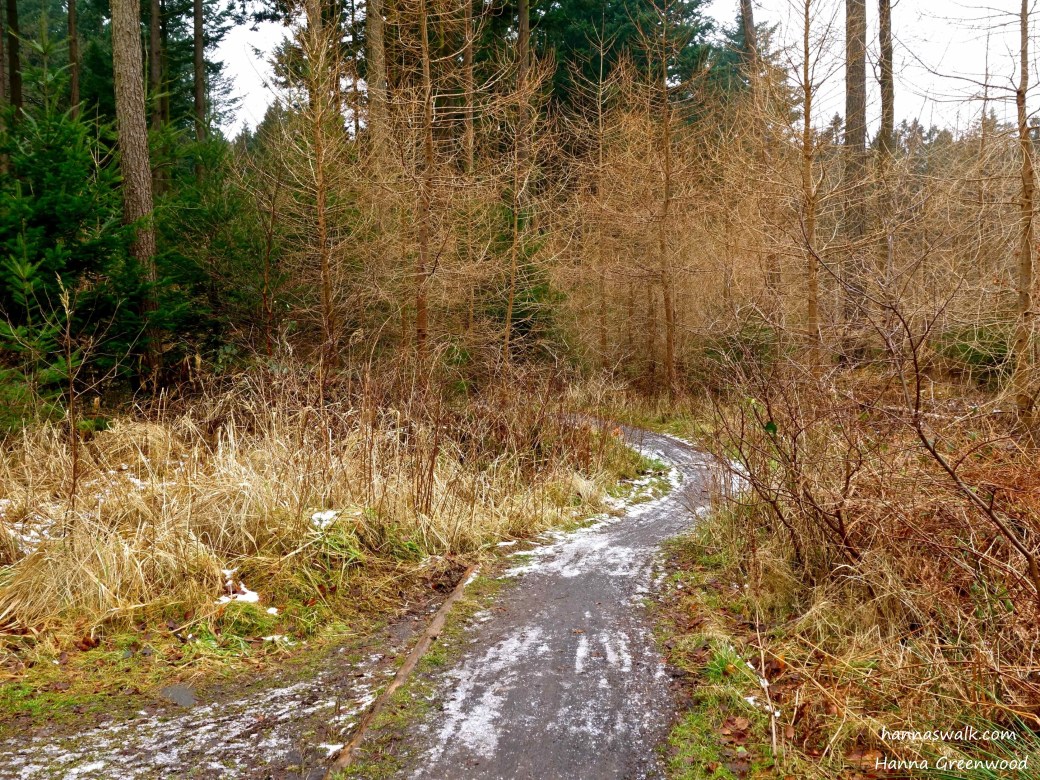
When the weather is grey and misty it’s nice to choose a path where nature comes close.
A winding path along a lake is always worth a walk.
The water attracts the bird life and among birch trees and shrubs, I find a large flock of blue tits and other small birds.

They look cute, the blue tits. The birds look like they are wearing dark glasses. They are very fast and always on guard.
That is why I can not show you any photos of my favorites 🙂
The blue tits always make me laugh. Lovely birds!

A lake is the landscape’s most beautiful and expressive feature.
It is earth’s eye; looking into which the beholder measures the depth of his own nature.
Henry David Thoreau

The Renews of a weary Spirit

It is not so much for its beauty that the forest makes a claim upon men’s hearts, as for that subtle something, that quality of air that emanation from old trees, that so wonderfully changes and renews a weary spirit.
Robert Louis Balfour Stevenson

I’m having trouble staying inside at the moment.
Bad weather has rather been a rule than an exception for a long time.
But suddenly the light is back.
Old forgotten colours seem as new ones.
Colours vaguely remembered are back.
The warm sunny shades of the grass.
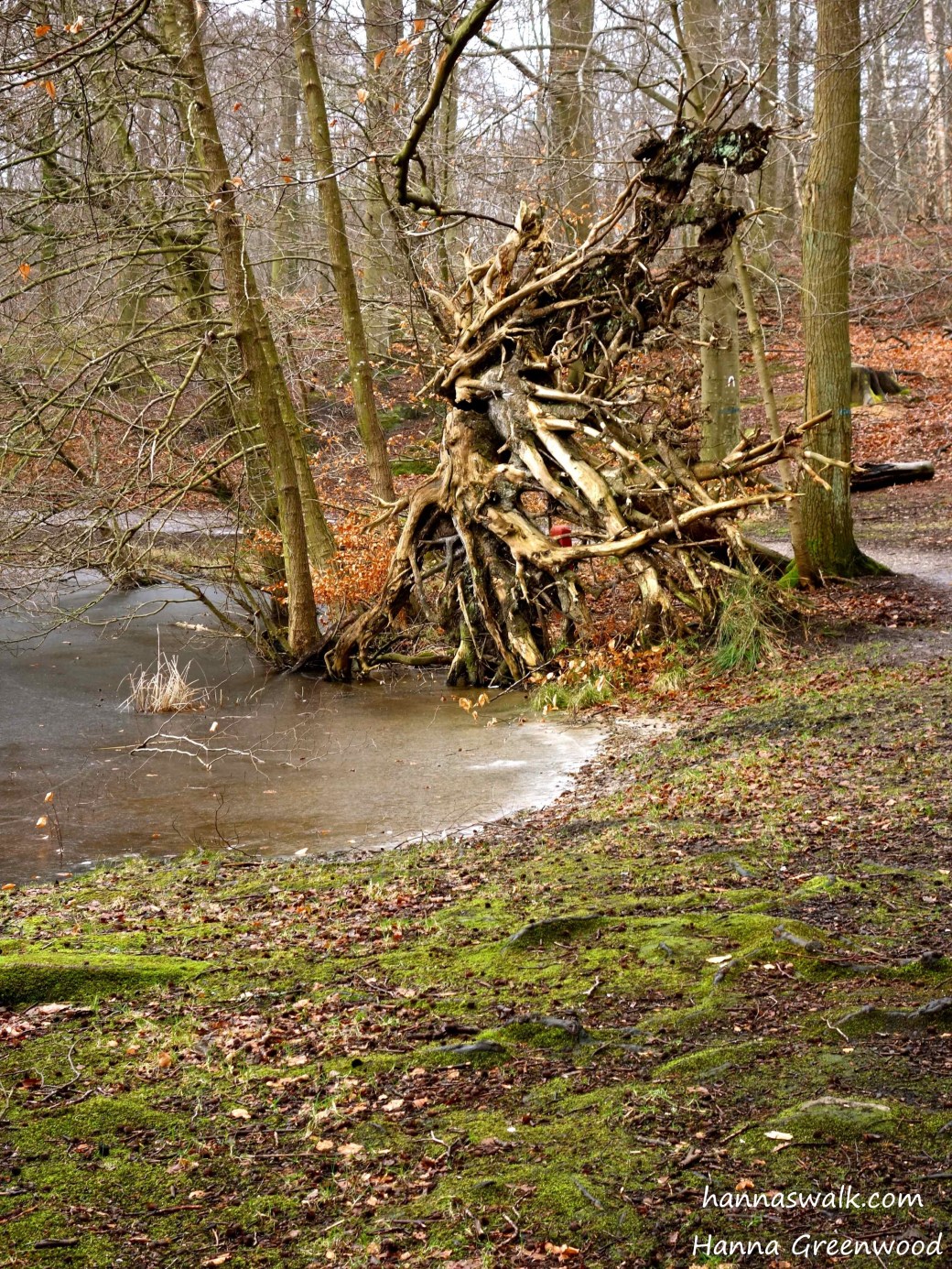
The many shades of green lichen light up on ancient oak trees.
Oh, there are many more shades than I mention here.
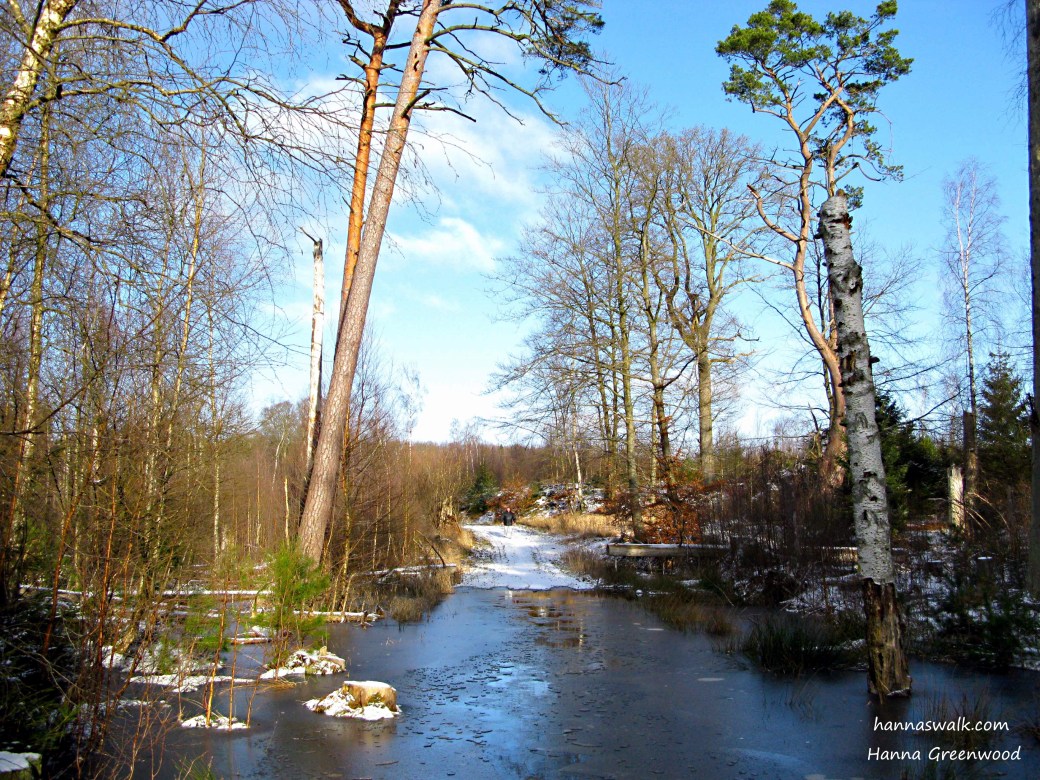
The ice-covered lake reflects the blue sky and makes you forget the cold.
The deer’s brown colour with beige and white markings are shining bright in the sun.
But you might get a clue from the pictures below.
The birds are singing. The deers are grazing and people are smiling happily.

A Happy Walk

I had a happy walk yesterday.
For once the sun shone, and there was only one place where the path was impossible to walk. I did not want to swim and had to turn around. On the other hand, I managed to balance along the ski trail, where snow and mud were adorned by small lakes.

Those who think they have not time for bodily exercise will sooner or later have to find time for illness.
Edward Stanley

When Nothing Is As It Seems To Be

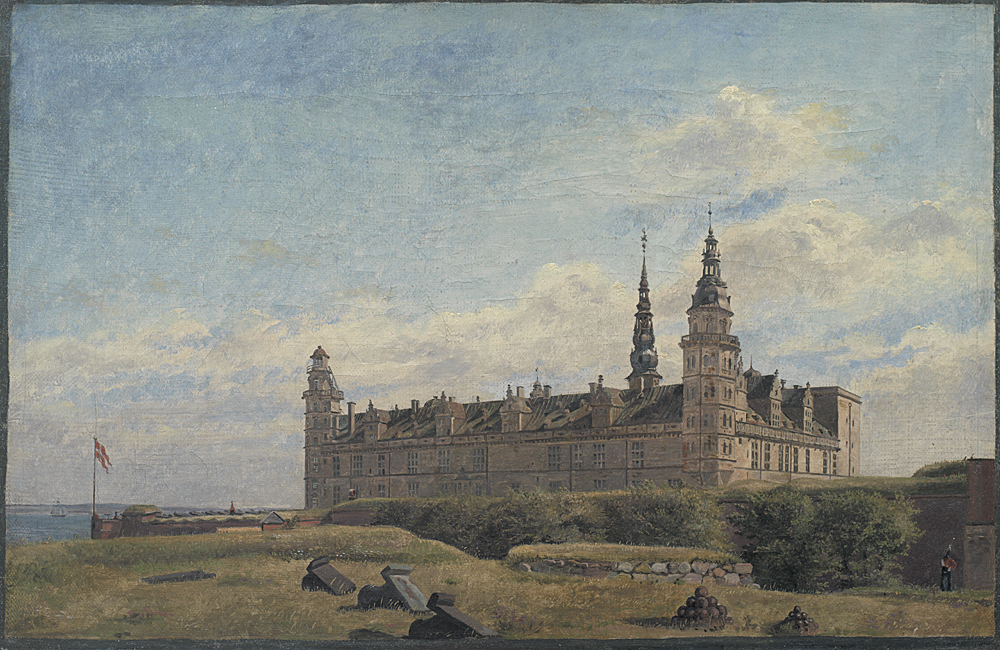
Constantin Hansen (1804-1880), Slottet Kronborg, 1834. SMK

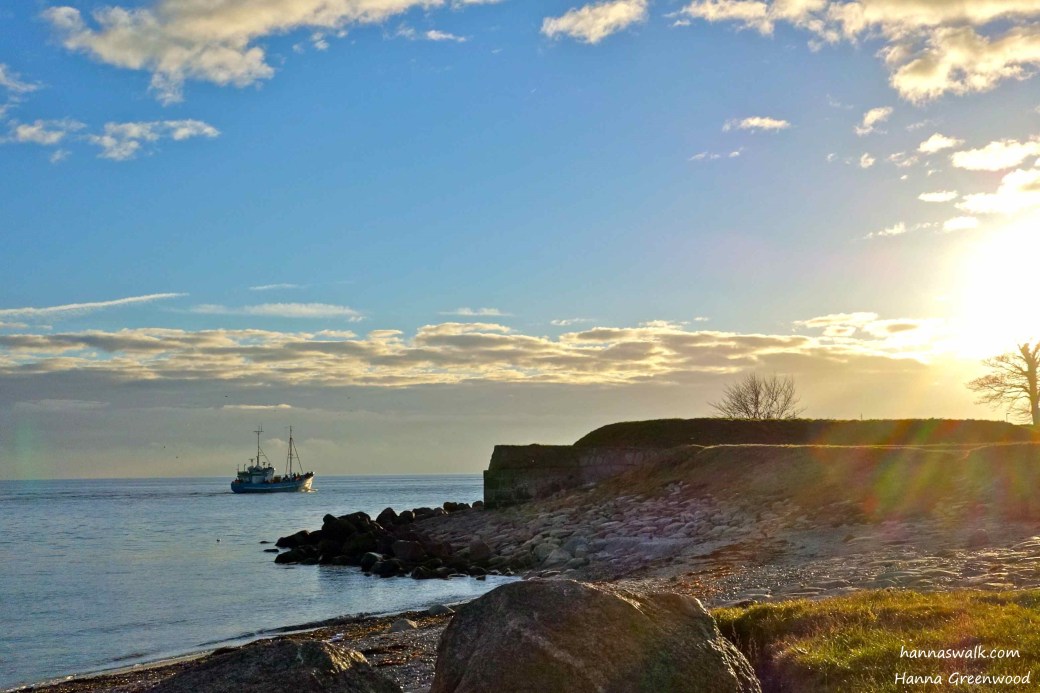
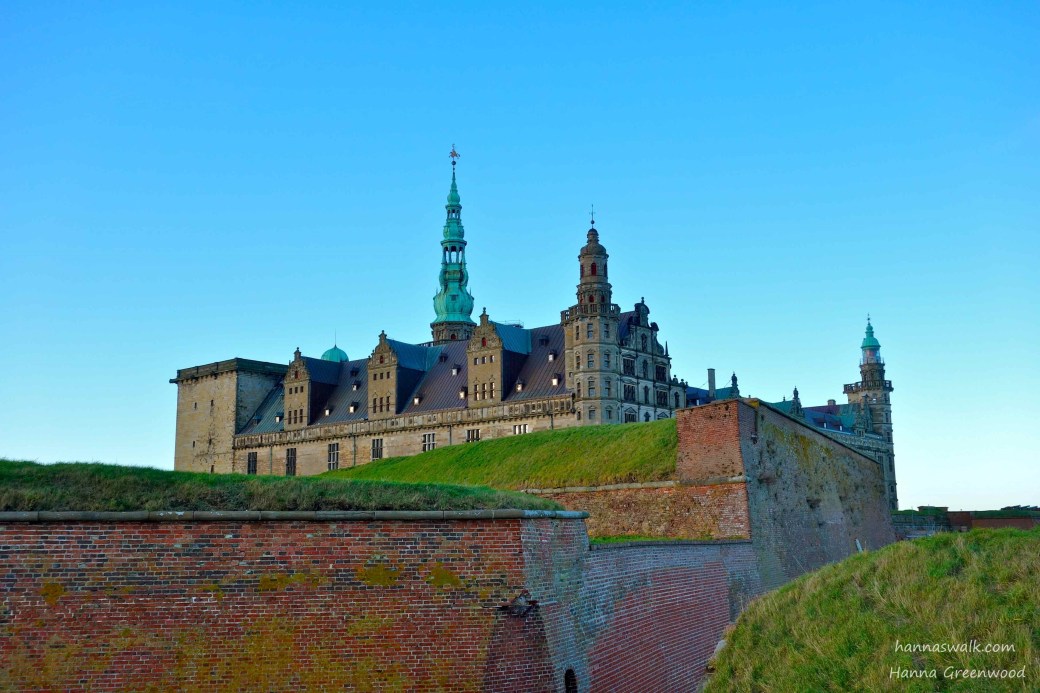
William Shakespeare and the Danish poet Hans Christian Andersen both linked unforgettable figures to the castle Kronborg
I know that Shakespeare chose the Castle Kronborg as a focal point for Hamlet.
But who put Holger Danske in the casemates in Kronborg, a figure cast in concrete?

I found out that Hans Christian Andersen wrote a fairytale about Holger Danske in Kronborg, which was first published on Apr. 7, 1845.
In 1907 a hotel close to Kronborg ordered a bronze statue of Holger Danske.
The sculptor Hans Pedersen-Dan created a large plaster figure, which formed the basis for the mold of the real statue.
This gypsum figure was placed in the casemate of Kronborg, and became far more famous than the finished statue.
In 1985, the plaster figure was so destroyed by moisture that it was replaced with a copy in concrete.

But we have a saying in Danish: What knowledge do farmers have about cucumber salad?
Perhaps Holger Danske was in fact a dog, a Grand Danois, who belonged to a knight.
The big dogs were trained to run ahead of the front and frighten the enemy’s horses witless.
And what about Shakespeare? Maybe it wasn’t Shakespeare that wrote Hamlet!
This terrible hypothesis is made available by a British Shakespeare researcher and former university teacher, Brenda James, and Professor William Rubinstein of the University of Wales in Aberystwyth.
They claim that the real Shakespeare was an English politician and diplomat Sir Henry Neville, who was the descendant of King Edward III and Johan of Gaunt.
NOTES
The stories of Holger Danske origin is found in the early European poems and epics known as Chansons de Geste.
He first appears in The Song of Roland from the middle of the 12th century as one of Charlemagne’s knights under the name Ogier le Danois.
From the beginning of the 13th century he is found in the song La Chevalerie. In the song, he is the son of the Danish king Gudfred and will be handed over to Charlemagne, ruler of the Frankish Empire as a hostage for peace.

When Gudfred breaks the peace Ogier must die, but the ladies of Charlemagne’s court earnestly pray to spare Ogier’s life because they liked him, and since he is not guilty of his father’s actions, he will be spared.
Later in the 13th century Ogier is found in the poem Les Enfances where Ogier is portrayed as an honorable knight of Charlemagne’s court, and at the end of the song he leads the Frankish army to victory over the Saracens.

In Nordic literature Holger Danske appears in poems inspired by the French, the first time in Karlemagnussaga under the name Oddgeir danski.

In the Danish legend Ogier becomes a king in the mountain; he is said to dwell in the castle of Kronborg, his beard grown down to the floor. He will sleep there until some day when the country of Denmark is in peril, at which time he will rise up and save the nation.

—-

The painting: Constantin Hansen (1804-1880), Slottet Kronborg, 1834. SMK

Plan your walks carefully

How is the weather?

The best weather this week is Tuesday.
If that’s the best weather, I think my suitcase is crying for a refill 🙂

January

A walk enclosed in black brown grey and a bit of green colours 🙂

Bare branches of each tree
on this chilly January morn
look so cold so forlorn.
Gray skies dip ever so low
left from yesterday’s dusting of snow.
Yet in the heart of each tree
waiting for each who wait to see
new life as warm sun and breeze will blow,
like magic, unlock springs sap to flow,
buds, new leaves, then blooms will grow.

Nelda Hartmann, January Morn

Tranquility

Poetry is the spontaneous overflow of powerful feelings: it takes its origin from emotion recollected in tranquility.
William Wordsworth

The pictures in motions are from my wonderful walks in Denmark’s oldest forest, Gribskov.

I got the inspiration to my video from Two brown feet

Happy Sunday!