We had snow in January this year. Lots of it. What was unusual for us Danes was that it remained on the ground for several months.
Usually, it would melt, only to freeze into the ice rinks we loved as children. This time, however, the snow turned into a thick blanket that gradually became increasingly slippery.
Ordinary forest paths turned into ‘black slopes’. Orthopaedic surgeons were kept busy. People were lucky if they only got bruised. There were many broken arms and legs. Everyone wanted to go out and enjoy the snow, and those who avoided the worst falls were lucky.
I avoided the ‘black slopes’. It’s better to miss a single walk in the woods than to spend six weeks on crutches.
But snow is magical. The first snowfall. The sudden silence.
The brilliant light in the darkest months of the year.
It feels like a revelation. It brings an exuberant joy at being right here, right now.
My own translation of Sverker Sörlin’s quotes from: Snow – A Story
“And then one morning, in my bedroom: I see the light out there, even before I’ve pulled up the blinds. Snow! The miracle of light happens from below. The ground, which was dark yesterday, is bright and brilliant this autumn morning.”
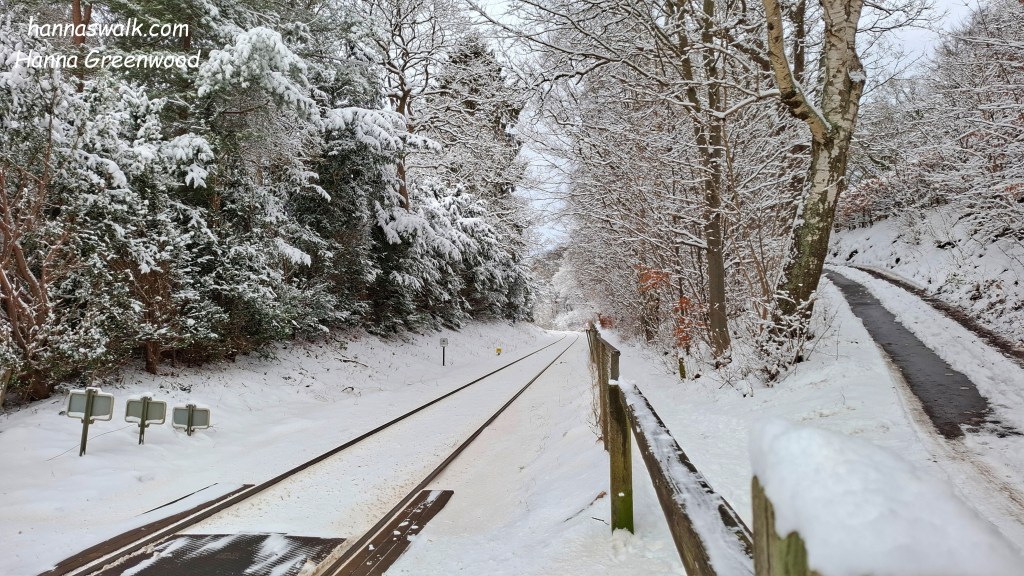
My own translation of Sverker Sörlin’s quotes from: Snow – A Story
“The silence of the snow is most noticeable during the darkest part of winter, when there is fresh snow on the ground and heavy snowflakes falling from the sky, especially the large ones. Then the world murmurs shyly.”
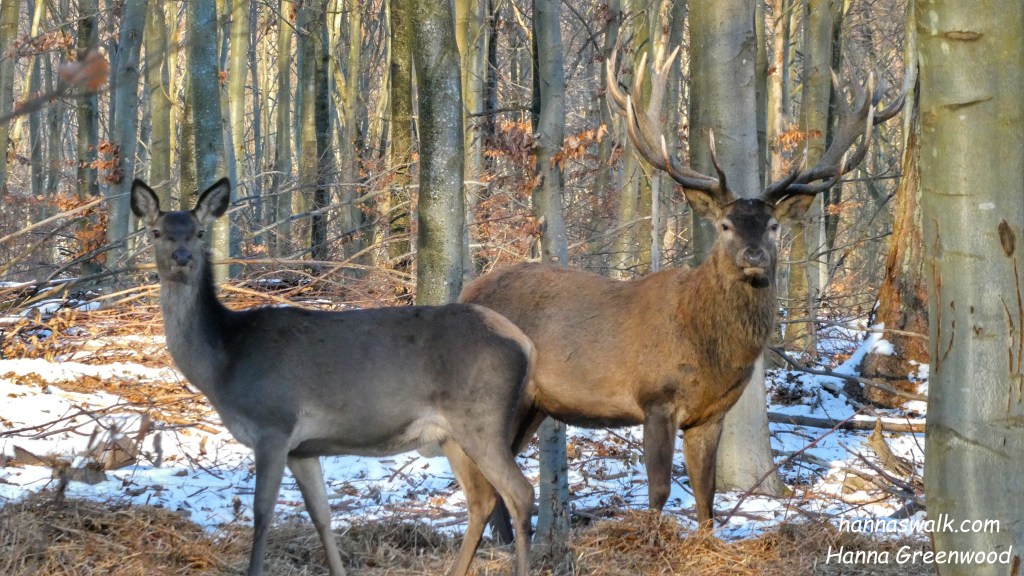
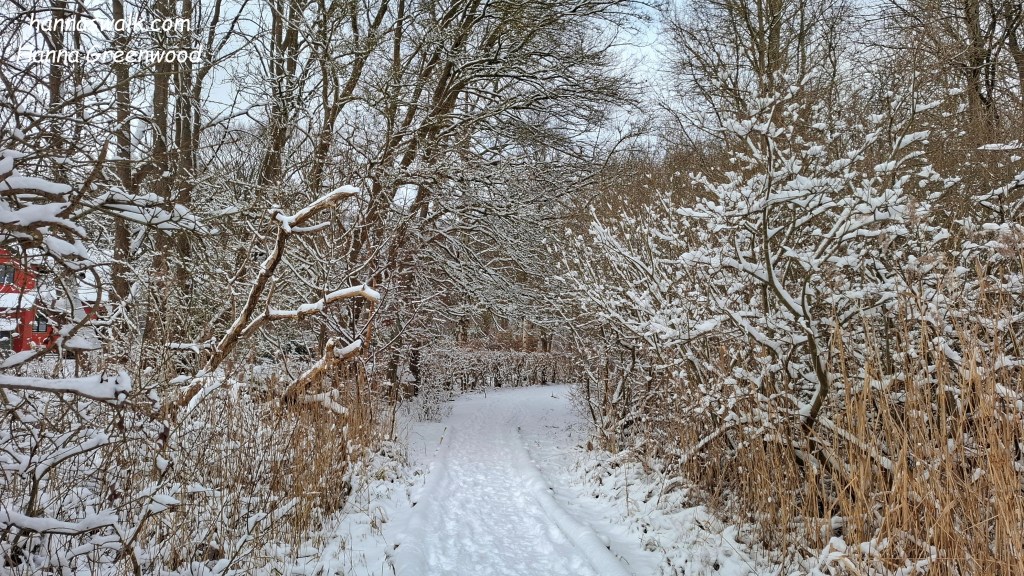
My own translation of Sverker Sörlin’s quotes from: Snow – A Story
“Snowflakes fall at different speeds depending on their size, density, temperature and wind. But generally quite slowly, at around five kilometres per hour. The same speed as a normal walking pace. That makes the snow seem almost human. It also moves just like us, winding and twisting, floating and searching, changing direction with sudden jerks.”
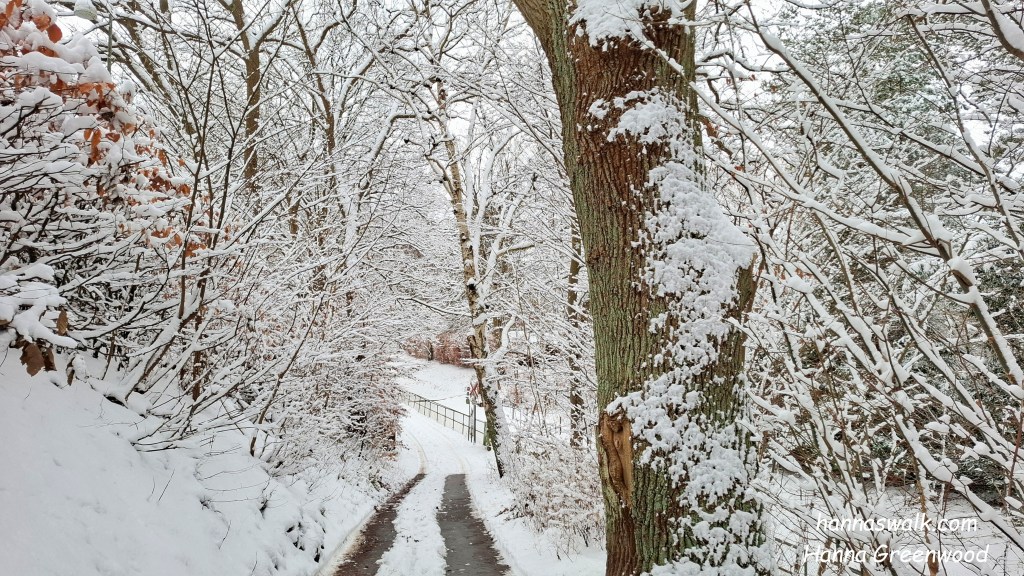
Note
In an era of shorter winters and unreliable snowfall, renowned Swedish historian of ideas Sverker Sörlin has written a love letter to the slowly disappearing snow.
Snow: A History is not just a scientific study of precipitation; it is also a personal, cultural and historical exploration based on Sörlin’s childhood memories of northern Sweden, where snow was once a constant presence – a land blanketed in white from All Saints’ Day to Walpurgis Night.
___
Spring is finally here, and it’s coming up all over the place! The snow has melted away, and spring flowers are bursting into bloom, much to the delight of young and old alike, as well as the bumblebees.
I love spring, but I’ll never forget the snow. That memory will always be cherished.
 HANNA'S WALK