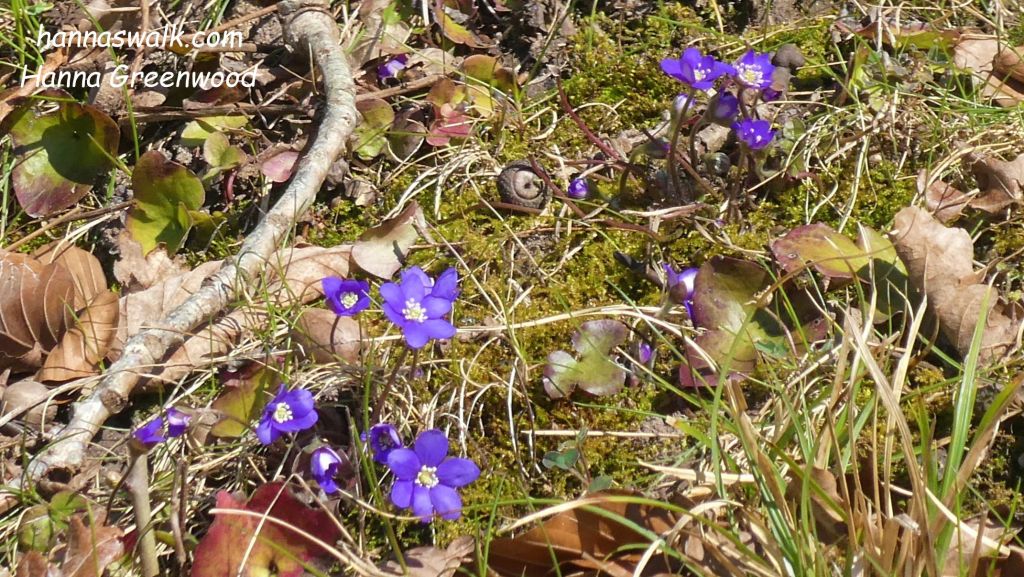
Spring is here, and with it comes one of nature’s most enchanting treasures: Blue Anemone, Hepatica.
On my latest walks, I’ve been keeping a close eye on the sunny slopes of our ancient forests, waiting for that unmistakable burst of deep violet-blue.
Finding one feels like discovering a tiny piece of fallen sky tucked away in the undergrowth.
Did you know that Blue Anemone has a secret partnership with ants? 🐜✨
The Blue Anemone produces many small green fruits, which are surrounded by three bracts. Each small fruit has a small appendage containing oil. Ants are fond of this oil; they collect the fruits and carry them away, which helps to disperse the plant.
As for where I found these blue beauties? That’s a secret I’ll keep to the forest floor. The Blue Anemone is like the forest’s own little crown jewel, and when it is so rare that it has its own ‘bodyguard team’ of barriers, you know you have found something truly special. Some treasures are best appreciated from afar, allowing you to look forward to the magic of next spring ❤️
NOTE
Fascinating Name and History of the Blue Anemone; Hepatica: The name “Hepatica” comes from the Greek word for liver, as the leaves were traditionally thought to resemble the organ, which led to its historic (but false) use in treating liver ailments based on the “Doctrine of Signatures”
Description
Blue Anemone is a perennial herb that grows to a height of 5–15 cm.
Flowers
The plant flowers in March and April. The flower consists of 6–7 petals, which are initially deep blue-violet but later fade to a lighter blue. In the centre of the flower are green stigmas surrounded by a ring of white stamens. The flower stalks are reddish and covered in long, silky hairs.
Leaves
The leaves are trifoliate and bear no resemblance to those of the wood anemone. They are green on the upper surface and reddish on the underside. The leaves may remain green throughout the winter.
Fruits
The Blue Anemone produces many small green fruits, which are surrounded by three bracts. Each small fruit has a small appendage containing oil. Ants are fond of this oil; they collect the fruits and carry them away, which helps to disperse the plant.
Rhizome
The Blue Anemone has a vertical rhizome.
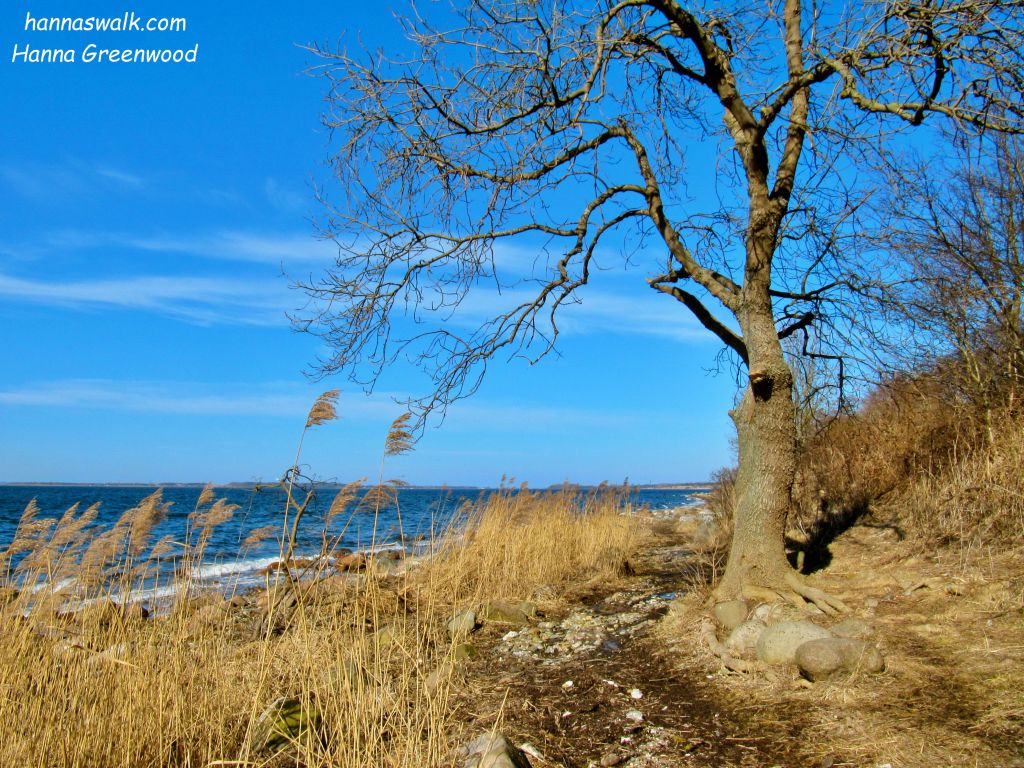
The flower is occasionally found on slopes in old deciduous forests and scrubland. It prefers nutrient-rich soil with a high content of lime and clay. It is common on Lolland Falster, Mon, South Zealand and Bornholm, rare in West Jutland and sporadic elsewhere. It’s often eradicated from woods near major towns as it is dug up and taken home to gardens.
 HANNA'S WALK
I would love to see this wildflower. The wild flowers of spring are magical surprises. It is a seasonal parade of joyousness.☮️
Thank you so much for your delightful descriptions, Ali Grimshaw.
Now, I can picture all my magical spring flowers dancing through the woods, with the help of ants carrying the delicacies 😊
All the best,
Hanna
Pretty little flower. We are enjoying spring here, noticing new wildflower popping up almost every day.
Hi Curt. It’s good to hear that you’re enjoying the beauty of nature. How encouraging it is to see everything blooming again.
All the best,
Hanna
We were out driving through the country yesterday, Hanna, and it seemed like the whole world was in bloom!
Just wonderful, Curt!!
All the best,
Hanna
Thank you for reminding me of these beautiful flowers Hanna. I used to see these every Spring when we were in Switzerland. I don’t think I’ve seen any here in the UK, though perhaps I’ve not been looking hard enough!
Lovely to hear from you, Mike! Hepatica Nobilis is rare in the Wild: While a well-established garden plant, H. nobilis is a neophyte (introduced species) in Britain and is uncommon in the wild, typically found in scattered woodlands or as a garden relic.
It’s interesting that you found them in Switzerland. But it’s not surprising; I remember all those beautiful butterflies too 😊
All the best,
Hanna
Thank you very much, dear Hanna. We’ll have a look if we find them here too.
Happy Easter
The Fab Four of Cley
🙂 🙂 🙂 🙂
Hi Klaus. To find them in Cley or elsewhere in Norfolk, England, calcareous woodlands (deciduous trees) or old gardens with the right soil conditions are the best places to look during the spring months 🐜🐜🌱🐛🌳🐜🐜
All the best,
Hanna
The relationship between nature’s creations are so beautiful.
It is a world of ingenuity, Ab 🌱❤️
All the best,
Hanna
The purple flowers are so spring perfect!
Thank you 🌱😊